


Equipment Appraisal Blog | Understanding Machinery Appraisals

Thinking of Selling a Company? Consider a Machinery Valuation

Posted by Equipment Appraisal Services on Tue, Jan 31, 2017 @ 11:18 AM

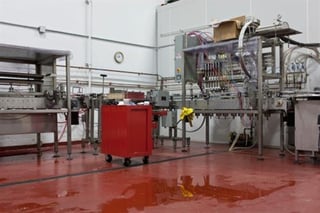
selling a business machinery valuation.jpg

If you're preparing to sell a company, odds are you have a lot on your plate. It may seem tempting to streamline the process and skip steps to get the business sold. One step not to skip is a business appraisal that includes equipment values for key business assets. Learn how an appraisal protects you and the business you've worked so hard to build, while ensuring a smooth sales process. 

Why Get a Machinery Valuation Before Selling a Company

A prospective buyer of your business wants to make sure they are getting a good deal. They want to know the business has a convenient location, efficient processes, skilled employees, a loyal customer base, and (last but not least) the right tools for the job. With a business appraisal demonstrating the values of equipment and machinery, you can position the company for a quick sale at a fair price. This often means getting a machinery and equipment appraisal in addition to a business valuation.

In a machinery valuation, an equipment appraiser reviews the business assets. The appraiser researches the value of machinery based on age, condition, "useful life" and other factors. 

The information presented in an appraisal may spell the difference between selling your business quickly and struggling to command offers for your company. Rather than avoid getting an equipment appraisal because you don't want to waste time, consider getting the appraisal to save time and effort. If you have to wade through lowball offers because you didn't properly prepare your business to sell, you'll come to regret it. 

If you get an appraisal when the sale is far off, you can make informed decisions based on their equipment value. For example, you can go ahead with routine maintenance for your tractor or invest in new wheels if these repairs are likely to keep the equipment at a high value. If your tractor is only worth $2,000, and you know you'll be selling the business soon anyway, you can instead use the money you would have spent on maintenance for something that will add more value to your company. 

What to Expect in a Machinery Valuation

When you schedule an appraisal, an appraiser will visit your factory or plant and inventory all equipment. The appraiser will then examine all assets, take photographs, and gather data. They might ask to see service records, which indicate how well the machinery was cared for. For example, an appraiser might review a business vehicle service log or photograph the dented frame of a forklift. The appraiser will then review their findings and compare the age and condition of your equipment with comparable pieces in use elsewhere. Taking all the data into account, the appraiser will then issue a machinery valuation for your business equipment. 

The valuation gives you a starting point when selling the business and helps potential buyers understand the true value of your company. By providing third-party proof of value, an appraisal can make the sales process easier on your end. Potential buyers who do not understand the true value of your business will leave, while those who are serious about investing in your business can make a deal.

Equipment appraisers who are familiar the industry you work in are the best choice to conduct the machine appraisal, since they understand the equipment, processes, and tools. Find equipment appraisers with relevant industry experience and schedule an appraisal ahead of time, so you will not be rushed. This way, you can make decisions without feeling pressured. 
Tags: allocation of assets, selling a company, machine valuation

How an Equipment Appraisal Can Help with Allocation of Assets

Posted by Equipment Appraisal Services on Tue, Jan 17, 2017 @ 02:07 PM

allocation of assets appraisal.jpg

When a business is sold, the price you negotiate is based on a wide range of factors, including real estate, anticipated income, goodwill and assets. But how do you determine the equipment values of what you're selling or purchasing? The best method is by allocation of assets, which puts a price tag on everything that is changing ownership, allowing you to document the data and for each items to be depreciated and accounted for it in the business' records. But how is the total price determined and allocated across the business? This is where asset allocation using equipment appraisals can help.

How an Equipment Appraisal Can Help with Allocation of Assets

Whether you're determining the value of your assets or need to break down the price you're paying for a business across its assets, an equipment appraisal can make all the difference. It will look at each individual piece of equipment or groups and document the equipment value for a wide range of purposes. Beyond allocating for tax purposes here are a few additional thoughts:

  • Purchase of a business: When you need to set up accounting for a business you've purchased, knowing which portion of the purchase price went into equipment helps you determine the initial values and makes it easier for you to depreciate the value of each piece of equipment based on its expected useful life span.
  • Donations to charitable organizations: If you didn't initially set up separate equipment values when you purchased equipment, you may not know what it's worth if you donate it to a charity. Without the needed documentation, it can be difficult to prove value to a tax agency for the price paid versus the value when donated.
  • Insurance claims: When you have a loss due to fire, theft, vandalism or other disaster, you need to quickly settle your insurance claim so that you can get back to business as quickly as possible. Unfortunately, without proof of the machinery's value that will stand up to scrutiny, this process can be much longer and more drawn out. Having a valuation report from a certified appraiser makes the process go much more quickly.
  • Loan collateral: Whether you're expanding or upgrading your business, or are simply using machinery as collateral for a particular project, being able to document what that collateral is worth makes the process go more smoothly and makes it more likely that you'll be approved for financing.

By getting a quality machinery valuation performed by a certified equipment appraiser, you can document the allocation of assets across a business, ensuring assets can be properly tracked. But don't just go to a local dealership and hope they give you the right numbers, because that can prevent you from fully realizing what your equipment is worth. They may be providing biased numbers to get a trade-in.  A certified equipment appraiser has gone through training in the appropriate methodologies to provide you with an equipment appraisal that will hold up to scrutiny.

Tags: allocation of assets, allocation of purchase price, certified appraisal