

Equipment Appraisal Blog | Understanding Machinery Appraisals

How Supply Shortages and Order Backlogs Can Effect Equipment Value

Posted by Equipment Appraisal Services on Mon, Oct 04, 2021 @ 07:00 AM

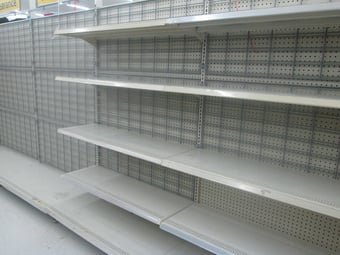
Used Machinery Equipment Appraisal Supply Shortage Increased Demand

Image source Random Retail on Flickr license

The COVID-19 pandemic has brought with it many unanticipated shifts and changes. Some of the more prominent of these occurring in the global business marketplace include unanticipated machinery, parts, and raw materials shortages in a number of key industries including construction, transportation, automotive manufacturing, furniture, and technology.

Prior to the COVID pandemic, many regional areas, both domestic and overseas, were experiencing a prolonged lack of economic growth, which led manufacturers to slow production across key economic markets. By the latter half of 2020, these same manufacturers began experiencing historically high levels of demand driven by workplace and consumer lifestyle changes creating a supply shortage.

This supply shortage, coupled with an unabated increase in demand, has resulted in significant price increases and backorder delays for many types of equipment, personal property, replacement parts, and raw materials. The providers' costs to purchase and transport these products have increased so dramatically that some are simply waiting for the market to adjust while others are passing these costs onto their clients who have no choice but to pay now or lose out on precious contracts. The growing concern is that this severe imbalance in the market is not going away anytime soon, and manufacturers will therefore continue to be unable to provide a reasonable product delivery timeline for correspondingly reasonable costs.

The resulting impact in the used machinery & equipment marketplace is one that is fairly obvious. Any business looking to sell or liquidate their excess property is able to find a greater number of potential buyers, leading to a material increase in value for their assets, given the immediate availability to sell. This increased demand may be short-term, or more likely, it will last for the better part of 2022, given the slow lag time before new tangible products are more readily available.

If you’re considering selling used equipment, parts, or inventory, make sure you can easily replace it, either through the company’s existing asset base or with replacement machines that are available at a reasonable price in the market. If you are looking to purchase used equipment or parts, it may be the best option from a deliverable timing viewpoint, however, you may have to increase your budget to reflect this shortage in the market.

From a valuation perspective, an appraiser may or may not take the impact of these market changes into account when completing an assignment. It will come down to the circumstances involved in the overall scope of work effort and their own subjective opinions on the long or short-term effects in the marketplace. Either way, you should look to engage an experienced, accredited appraiser to complete the work.
Tags: machine appraisal, machinery & equipment appraisal, used equipment, equipment valuation, supply shortage, increased demand, used machinery

How does Bank Financing Collateral Really Work?

Posted by Equipment Appraisal Services on Tue, Jan 03, 2017 @ 03:02 PM

bank financing collateral appraisal.jpg

When you're expanding or improving your business, it's important to understand the terms of your financing agreement. With changes in the banking industry since the 2008 recession and bailouts, many businesses are looking at bank financing collateral as a possible option to consider. But how does it really work and will it cause problems down the road for your company? In this post, we'll take a solid look at how equipment appraisals should be a part of your toolkit when approaching bank financing involving collateral.

How does Bank Financing Collateral Really Work?

Banks require collateral as an insurance policy, so that they can regain any losses from a loan default by selling the collateral to make up the balance due. Though immovable assets are typically thought of as assets such as real estate, large equipment that is difficult to remove may also be considered this type of asset. Smaller pieces of equipment or equipment that is more easily moved is considered a movable asset. The bank may require that you provide a high amount or all of these assets as collateral to secure a loan. But at the same time, you don't want to risk any more of your equipment, often the very source of your income, than is absolutely necessary. What can you do to both protect your interests in your business while providing the bank with the financing it needs? One possibility is through an equipment appraisal.

Equipment appraisals are reports prepared that calculate the value of a piece or a lot of machinery. If they're prepared by a certified equipment appraiser, the report will stand up to much higher levels of scrutiny than a report or general quote developed by a dealership or other party. Why? Because a certified appraiser is taught specific, standardized methodologies to calculate the machine's value, a report prepared by them is considered more accurate and reliable than other methods of determining equipment value. These methodologies have been scrutinized in legal proceedings, financial circles, insurance claims and tax agencies and have evolved into a nationally-recognized set of standards - the Uniform Standards of Professional Appraisal Practice (USPAP). 

When you have an accurate valuation performed, you have a solid figure you can take to the bank when negotiating the terms of your financing. Because the report has been provided by a certified appraiser, the bank officers know that it's an accurate representation of your equipment's worth. That means that you can choose which piece of equipment you're willing to put into the agreement as collateral and which ones to protect from risk.  An accredited appraiser through organizations like the American Society of Appraisers (ASA) with the Machinery & Technical Specialties (MTS) designation must provide unbiased appraisal reports that all parties can rely on.

As you can see, using machinery valuation as part of your process for agreeing to bank financing collateral requirements can help ensure that you're only putting as much of your business assets as are necessary. Using a certified equipment appraiser helps ensure that not only are you getting accurate equipment values, but that the valuation report with stand up to strict scrutiny by your financial institution.


Tags: bank financing collateral, bank loan, used equipment, sba loan