

Equipment Appraisal Blog | Understanding Machinery Appraisals

How Depreciation and Useful Life Factor into Equipment Valuation

Posted by Equipment Appraisal Services on Mon, Nov 24, 2025 @ 07:30 AM

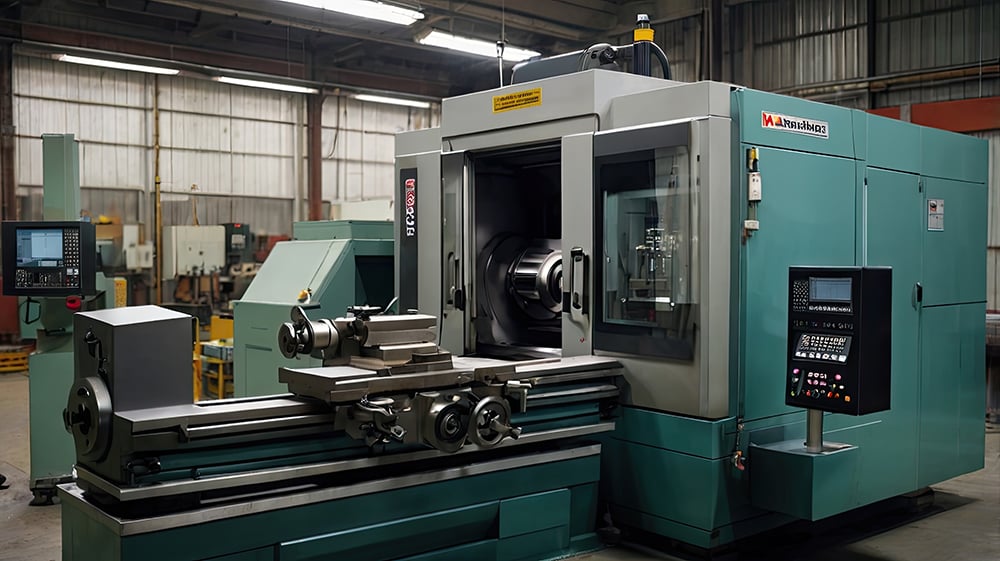
depreciation and useful-life figure in to machinery and equipment valuation

When equipment appraisers rely on the Cost Approach, two of the key factors considered are useful life and depreciation. Though the process may seem straightforward, you would be surprised at how many differing opinions professionals have in these areas.

Independent Valuation is Not the Same as Accounting Methodology

When it comes to capitalized machinery and equipment on a company's books, accountants treat depreciation and useful life according to accepted principles. One such principle is the Modified Accelerated Cost Recovery System (MACRS). This method is based on a straight-line reduction in value, starting with the equipment's acquisition price and amortizing it equally over a standardized term, usually 5 to 7 years. The depreciation endpoint is typically zero. The goal of many businesses is to expense as much as possible in the early years of an asset's life through annual depreciation for tax-deductible purposes, while improving cash flow and liquidity.

When appraisers value machinery and equipment, they research market and industry data to identify a reasonable number of sources to assist in estimating value. They also fall back on their experience appraising similar assets in the past. Depreciation and useful life are two components of the analysis under the Cost Approach. The goal of the overall process is to understand best how equipment is valued over time and how long it can reasonably be expected to operate effectively before needing major rebuilds/overhauls or retiring from service entirely.

It is important to understand these factors and take them into account as part of a complete appraisal analysis, which will also include reviewing comparable sales of the equipment being appraised. Market-comparable data can often be limited or inconsistent across sources; therefore, a balanced understanding of depreciation and useful life will further support the analysis and provide reasonableness checks for any comparable sales or resale opinions they may gather or have experience with.

Developing Market Depreciation Curves for Asset Classes of Machinery and Equipment

Once an appraiser has completed several valuations in similar markets and industries, they might consider creating a database of values, which results in the development of market-driven depreciation curves that will further serve as a reasonable source of historical data for future valuations. This would be similar to the concept of subscription databases that are publicly available in certain markets, such as construction, automotive, and over-the-road transportation, in today's resource networks.

In summary, when an accredited, experienced valuation professional works on an appraisal assignment, it is important to understand and develop opinions regarding the useful life and levels of annual depreciation of machinery and equipment.

Tags: Asset Depreciation, useful life

Exit Strategies for an Equipment Appraisal Business Owner

Posted by Equipment Appraisal Services on Mon, Nov 10, 2025 @ 07:29 AM

Equipment appraisal buisness owner planning exit strategy

Every business owner will eventually reach a point where they begin planning their exit strategy because they are nearing retirement or want to move on to something new. Equipment appraisers in this position are no different and should think about the best way to maximize return while determining the most appropriate course of action.

Transitioning ownership and leadership can be an intimidating process. Current owners want to preserve the company’s reputation, relationships, and systems that make it valuable. In the equipment appraisal industry, credibility, experience, accreditations, and client trust must be maintained. An unplanned exit can create uncertainty that could potentially erode all the goodwill you’ve spent years creating.

To begin planning, define what “success” looks like for you. Do you want to sell the business to another appraiser or transition ownership to a partner or key employee? You may want to gradually wind down operations while maintaining a client base part-time or merge with another practice to scale up before exiting.

The clearer your objectives, the easier it will be to structure a plan that meets both financial and personal needs.

Potential buyers will look at historic revenue and profitability. They will also consider the level of recurring clients, referral relationships, accredited appraisers on staff, established procedures, report templates, professional reputation, online presence, and marketing, billing, and compliance practices.

A formal valuation of the business may also take place.

If you’re grooming an internal successor, such as a partner, family member, or senior appraiser, start early. Knowledge transfer in appraisal work takes time, and professional credentials often require years of experience and coursework. Mentoring your successor in client management while gradually shifting responsibilities can create a seamless transition that reassures clients and maintains business continuity.

Most successful exits are planned three to five years in advance. This allows time to improve financials, strengthen client relationships, and prepare the successor. When the time comes, communicate your plan to employees and major clients with clarity and confidence.

Work with your accountant, financial, and legal advisors, who will help structure the transition, minimize taxes, and ensure the deal terms align with your long-term goals.

In summary, a well-designed exit strategy gives you control, peace of mind, and a lasting legacy. Whether your goal is a sale, succession, or gradual retirement, thoughtful planning ensures your equipment appraisal firm continues to deliver trusted value long after you’ve stepped away.

Tags: equipment appraisers, business owner