

Equipment Appraisal Blog | Understanding Machinery Appraisals

Serving as an Expert Witness in Valuation

Posted by Equipment Appraisal Services on Mon, Mar 30, 2026 @ 07:30 AM

Equipment appraiser acting as an expert witness in court

As an accredited, experienced appraiser, the opportunity to serve as an expert witness in a litigation dispute is a natural step towards further establishing your practice and reputation in the industry. The required skill set is a unique blend of technical mastery and disciplined communication. It is not enough to understand valuation theory; you must translate your analysis into clear, defensible conclusions that stand up under scrutiny in a legal setting.

At its core, the role demands independence. Courts rely on expert witnesses not to advocate, but to inform. This means developing and communicating opinions grounded in recognized methodologies, supported by data and expertise. Whether valuing a business, intangible assets, economic damages, or tangible assets (machinery, real or personal property), your credibility hinges on transparency. Expanding the discussion points and analysis in your report will help the court better understand your conclusions. How you got there matters just as much as where you landed.

Preparation is important; however, overloading your brain can oftentimes create an excess of information in your head, which may become confusing. The goal is to become confident in your work product and gain a sense of what you accomplished, so you can elaborate where necessary. A well-crafted report should anticipate challenges before they arise. Opposing counsel will probe the variables used in the analysis, including assumptions, discount rates, comparables, and any perceived inconsistencies. The strongest experts are those who can explain not only their conclusions, but also why specific methodologies and approaches were relied on or otherwise not utilized.

Testimony is where expertise truly gets tested. Clarity beats complexity. Judges and juries rarely have deep financial backgrounds, so the ability to simplify while creating a common sense and logical progression to your work is critical. Confidence must be balanced with humility. Acknowledging limitations can strengthen, rather than weaken, your position. Opposing counsel will try to get you to offer up new opinions that were not part of your original scope of work. Be careful to stay within the lanes that were set up in your report.

Ultimately, being an expert witness in valuation is about establishing rapport and trust. Your analysis must be clear, your methods defensible, and your demeanor impartial. When done well, your work does not just support a case; it helps the court reach a fair and informed outcome. Keep in mind, however, that your testimony is just one component of a much larger case, so not everything hinges on what you say. This will take some of the pressure off when it is inevitable that the nerves will kick in before you take the stand.

Tags: Expert Witness, equipment appraisers

Don’t Assume Accredited M&E Appraisers are Technicians or Mechanics

Posted by Equipment Appraisal Services on Mon, Mar 16, 2026 @ 07:29 AM

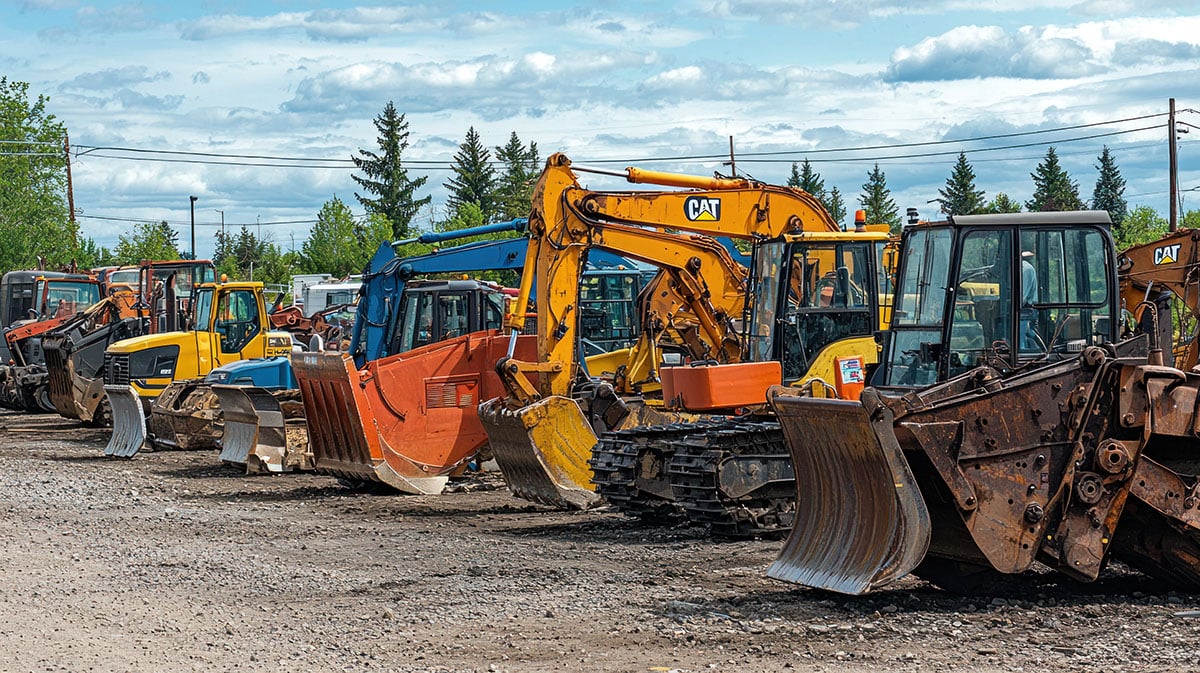
Machinery and equipment for appraisal only

We are often approached by clients who, in addition to needing a valuation, request a condition or damage assessment along with a repair estimate for their machinery and equipment. Professional appraisers come from varying career backgrounds; however, the majority do not have the ability to independently assess condition beyond a broad general visual inspection. Therefore, it is typically assumed that the associated values reflect normal operating conditions, unless there are specific details, including remediation costs, from the equipment owner or a qualified third party stating otherwise.

When a visual inspection is part of the valuation effort, either through a site visit or a review of photographs, it may be determined, based on general appearance, that certain assets need repair work or are out of service. In these instances, the appraiser can apply a reasonable condition penalty to account for this; however, without support of the specific repair costs needed, the adjustment will be very broad in nature, such as an estimated percentage deduction from the normal condition value.

It is important for the appraiser to point out these issues to their clients at the beginning of the project so there is no misunderstanding that occurs after the engagement is signed and the valuation work begins. If repair estimates are a critical component of the project, the appraiser can suggest that the client hire a technician to work in tandem with them to provide this assessment and expand the valuation analysis to take this into consideration.

The appraiser should be made aware if the equipment has experienced irregular maintenance scheduling or a long-term lack of use, as these issues can lead to a shortened useful life and significant repair costs to restore the machinery to normal operating condition. From the owner’s perspective, if the equipment is placed out of service for an extended period, it is important to store it in a protected environment, keep it clean of debris, and run it once a week, if possible, to properly maintain it. Otherwise, when it comes time to operate them again or sell in the open market, there might be costly unforeseen issues that crop up along the way.

In summary, as a business owner, investor, or other party in need of an independent valuation assessment, it is important to identify the most critical issues you are facing before engaging with an equipment appraiser, technician, or mechanic. If you are confident the equipment is in good condition, it makes sense to proceed immediately to the appraisal process. If you know the machinery needs to be assessed for damage and repair estimates, consider working first with an in-house maintenance manager, an outside technician, or even an insurance adjuster familiar with the assets to address these issues before hiring an appraisal expert.

Tags: equipment appraisers, Machinery & Equipment Appraisals

Exit Strategies for an Equipment Appraisal Business Owner

Posted by Equipment Appraisal Services on Mon, Nov 10, 2025 @ 07:29 AM

Equipment appraisal buisness owner planning exit strategy

Every business owner will eventually reach a point where they begin planning their exit strategy because they are nearing retirement or want to move on to something new. Equipment appraisers in this position are no different and should think about the best way to maximize return while determining the most appropriate course of action.

Transitioning ownership and leadership can be an intimidating process. Current owners want to preserve the company’s reputation, relationships, and systems that make it valuable. In the equipment appraisal industry, credibility, experience, accreditations, and client trust must be maintained. An unplanned exit can create uncertainty that could potentially erode all the goodwill you’ve spent years creating.

To begin planning, define what “success” looks like for you. Do you want to sell the business to another appraiser or transition ownership to a partner or key employee? You may want to gradually wind down operations while maintaining a client base part-time or merge with another practice to scale up before exiting.

The clearer your objectives, the easier it will be to structure a plan that meets both financial and personal needs.

Potential buyers will look at historic revenue and profitability. They will also consider the level of recurring clients, referral relationships, accredited appraisers on staff, established procedures, report templates, professional reputation, online presence, and marketing, billing, and compliance practices.

A formal valuation of the business may also take place.

If you’re grooming an internal successor, such as a partner, family member, or senior appraiser, start early. Knowledge transfer in appraisal work takes time, and professional credentials often require years of experience and coursework. Mentoring your successor in client management while gradually shifting responsibilities can create a seamless transition that reassures clients and maintains business continuity.

Most successful exits are planned three to five years in advance. This allows time to improve financials, strengthen client relationships, and prepare the successor. When the time comes, communicate your plan to employees and major clients with clarity and confidence.

Work with your accountant, financial, and legal advisors, who will help structure the transition, minimize taxes, and ensure the deal terms align with your long-term goals.

In summary, a well-designed exit strategy gives you control, peace of mind, and a lasting legacy. Whether your goal is a sale, succession, or gradual retirement, thoughtful planning ensures your equipment appraisal firm continues to deliver trusted value long after you’ve stepped away.

Tags: equipment appraisers, business owner

The Pros and Cons of Using AI in Equipment Valuation

Posted by Equipment Appraisal Services on Mon, Oct 13, 2025 @ 07:29 AM

Machinery and equipment appraiser using AI

Artificial intelligence (AI) is rapidly influencing business practices. Equipment appraisers are beginning to explore AI-based tools for data analysis, market research, and report development. While AI offers several exciting advantages, it also raises valid concerns about accuracy, ethics, and professional judgment.

On the positive side of the discussion, if you have a database with access to AI data analysis tools, large volumes of market information can be processed in seconds, vs. hours or days. This can significantly improve efficiency when researching comparable sales or analyzing equipment trends across industries.

AI tools can help reduce human error and improve consistency in report formatting and calculations. Automated valuation models can provide checks against an appraiser’s conclusions, offering a useful validation tool.

AI can also aggregate market data from multiple online sources, including resale listings, auction platforms, and manufacturer databases. This provides a broader and more current view of market conditions than most appraisers could access manually.

These efficiencies can allow appraisers to reduce deliverable timelines for their clients without sacrificing report quality, as long as professional oversight remains in place.

On the flip side of the argument, there are several reasons to be cautious and even pessimistic about relying on AI tools. They can’t replace the experience and critical thinking of an educated, experienced equipment appraiser. Ultimately, value conclusions require human interpretation and professional reasoning.

AI tools are only as good as the data they rely on. Many online listings or resale sources contain inconsistent, incomplete, or misleading information. Without careful vetting, automated systems can base valuations on flawed or outdated material.

If appraisers lean too heavily on AI, they risk losing hands-on expertise with their analysis and report writing. The best appraisal work still depends on experience, training, and professional judgment. AI-generated analysis may not comply with USPAP or other professional standards, which require an appraiser’s personal work product, independence, and accountability. Using AI without proper oversight could jeopardize report credibility and certification.

In summary, AI should be viewed as a potential tool for qualified appraisers; however, it is important to be cautious with the level of reliance you place on it. When used responsibly, it can enhance research, improve productivity, and support data-driven decision-making. But an appraiser’s ultimate analysis and report deliverable must still rest on their independent judgment, supported by verifiable data with a clear understanding of the overall scope of work.

Tags: equipment appraisers, Artificial Intelligence

The Importance of Developing Market-Driven Depreciation Curves

Posted by Equipment Appraisal Services on Mon, Sep 15, 2025 @ 07:30 AM

Developing appraisal depreciation curves for machinery and equipment

When appraising machinery and equipment, a vital component to determining value involves the development of market-derived annual depreciation curves. This concept takes both the cost and sales comparison approaches into consideration as you estimate value, factoring in your historical results, current market data, useful life, and typical losses in value year over year. This concept also acts as a "reasonableness" check with the rest of the data found in both market and industry sources.

Depreciation curves essentially illustrate how an asset's value declines over time in the real world. Lenders, leasing companies, buyers, and sellers want to gain an understanding of this concept as they look at both short and long-term investment risk. A generic straight-line or tax depreciation schedule may be convenient for tax reasons, but it rarely reflects actual market behavior.

A market-driven curve can be built using historical databases, current transactional data, auction and resale information, and the appraiser's experience valuing assets over the course of their career. This approach captures how equipment values change in practice, not just in theory.

This step in the appraisal process will lead to increased accuracy and create a reality check that reflects true resale potential rather than relying on one-off comps or broad industry data. It will also provide common-sense support that will withstand scrutiny in litigation, financing, and IRS reviews.

Developing a reliable market-based depreciation curve requires experience in valuing similar equipment over time while maintaining and tracking historical results. Also, ensure you have access to current data and a reasonable approach to interpreting it.

The creation of these market curves over time will eventually lead to more effective and efficient valuation practices. By grounding depreciation in real-world data, appraisers provide clients with accurate, defensible insights that reflect the true economic reality of machinery and equipment.

In summary, developing and maintaining market-based depreciation curves for different types of machinery and equipment will enhance your valuation practice and provide you with a "checks and balances" tool that will create more reliable appraisals that your clients will appreciate.

Tags: equipment appraisers, depreciation of equipment