
Equipment Appraisal Blog | Understanding Machinery Appraisals

How Long Should You Continue Operating Your Older Equipment?

Posted by Equipment Appraisal Services on Mon, Oct 03, 2022 @ 07:30 AM


Machinery Equipment Appraisal Heavy Equipment Used

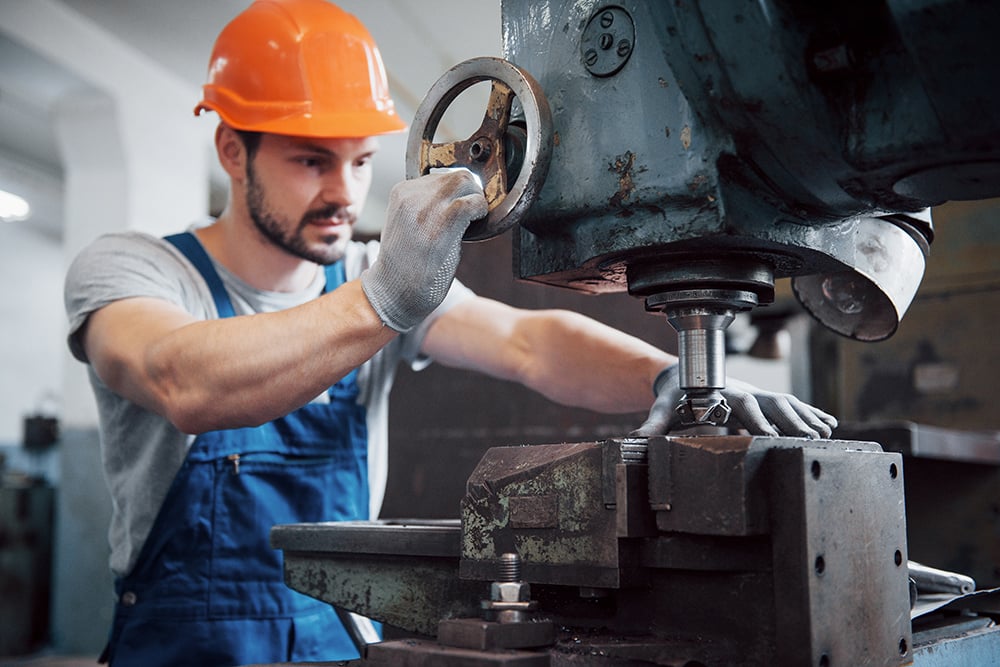
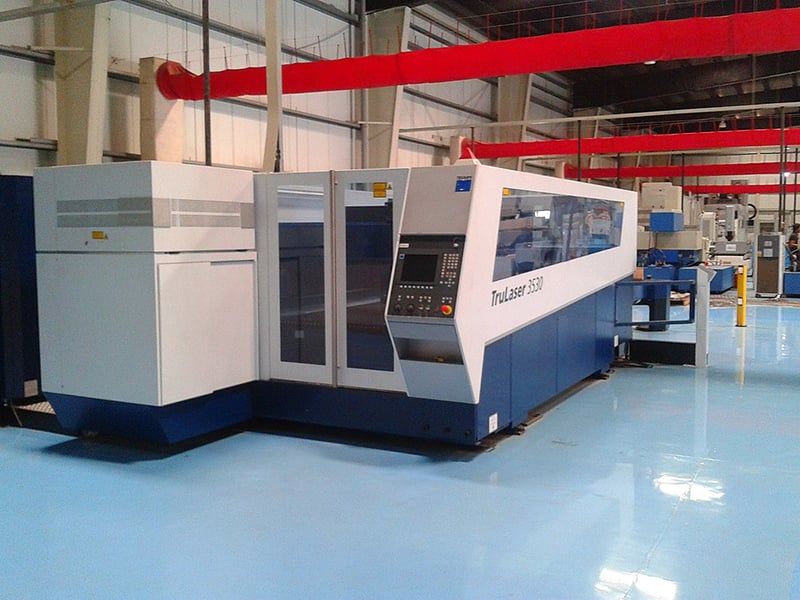
If you’re like many small business owners who run a lot of heavy equipment every day, you try to keep it operational for as long as possible to avoid purchasing new replacement machinery. Given the added capital investment, as well as today’s supply chain woes, which lead to long delivery delays and increased pricing with new equipment, this is a wise course of action. There may come a point, however, when the decision to retire older machines becomes inevitable.

Every successful company that operates expensive machinery employs experienced, talented personnel who manage day-to-day facility operations. This includes running and maintaining the equipment as well as replacing components, and even rebuilding the equipment when necessary. If done effectively, this leads to an extended economic life for your assets, well beyond their initial estimates.

That is why you will often see equipment and heavy vehicles still operating in the field 20, 30, or even 40+ years since the day they were first built. This can instill a sense of pride as it relates to the longevity of owned machinery, however, companies should consider reviewing annual maintenance and operating costs vs. the potential longer-term impact of buying new replacement assets.

Things to consider in this analysis:

Look back over a 5-10 year period and calculate the average annual cost of operating your machinery. Include factors such as monthly maintenance, refurbishments, component replacements, downtime effects, job completion delays, and anything else that relates to daily operations and project costs.

Weigh these average costs against the investment in replacement machinery, while estimating annual costs to service new debt, reduced operating and maintenance costs, more efficient run time, and project capabilities. The latest technologies developed for new machinery can be a double-edged sword, with a lot of computer-controlled components you need to consider, as well as training personnel to effectively operate them.

At some point, it will become clear when it’s time to make the call and upgrade your fleet of equipment. It’s a difficult decision that is based in part on common sense, practicality, competition, and even emotions. Moving into the next generation of equipment is always a big decision, however, don’t put it off too long before it begins to affect your bottom line.

Tags: heavy equipment appraisal, Machinery & Equipment Appraisals, used machinery

Property Tax Assessments on Vehicles & Equipment; Are They Reasonable?

Posted by Equipment Appraisal Services on Mon, Sep 19, 2022 @ 07:30 AM


Machinery and Equipment Appraisals Property Tax Disputes

Whether you own a small business or are personally responsible for paying property taxes on your vehicles and equipment, you have likely questioned the validity of the value assessment assigned to these assets on a year-to-year basis. You look back at when they were purchased and how old they are, and try and determine if the numbers make sense in the context of actual market prices.

If you own a significant amount of furniture, fixtures, and equipment (FF&E) or vehicles, where the annual tax liability is substantial, you may have entertained the idea of disputing these estimates while looking to have the assessment adjusted to match your own internally calculated figures. Property tax disputes are not uncommon, however, if you go down this road, you will likely need independent support to present a sound case where the end result is fair and reasonable.

How are property taxes calculated on vehicles and equipment?

Unlike real estate taxes, where reassessments are completed by counties, cities, and towns every few years, based on an updated market analysis, assessments on vehicles and equipment rarely change from their initial estimates.

The purchase price and date of acquisition are the starting point where the assessor then determines a useful life and annual depreciation schedule matching the type of asset that is involved. For example, if you bought a new pickup truck for $40,000 this year, you pay property tax based on this initial cost, and again every year, under an internally calculated useful life depreciation table created by the assessor’s office. The useful life may be estimated at 10 years with annual depreciation of 6% to a salvage value of 40%. If you still own the truck after 10 years, the assessor may slow the depreciation even further going forward.

Every city and town has its own mill rate percentages which are applied to arrive at your tax payment, and cannot be disputed. The value estimate, however, is the area to target in any case where you believe it does not equate to market value. These assessments are usually calculated on very broad assumptions, while the depreciation is slow and on a straight-line basis. The salvage value estimates can tend to be quite high in comparison to fair market value

If you believe your property tax assessments are much higher than the actual market value, you can file a dispute, and even have it done retroactively, to cover prior tax periods in earlier years. It’s always a good idea to complete a detailed internal assessment first, and then reach out to an accredited appraiser who can independently perform an appraisal on your vehicles and equipment. The more prepared you are throughout the dispute process, the better chance you have of a fair and successful outcome.

Tags: accredited appraisers, Property Tax Appeal Valuation, Machinery & Equipment Appraisals

Fair Market Value (FMV) vs. Actual Cash Value (ACV)

Posted by Equipment Appraisal Services on Tue, Sep 06, 2022 @ 07:30 AM


Fair Market Value Actual Cash Value Machinery Equipment Appraisals Insurance

When it comes to estimating the value of personal property and equipment, there are a number of premises, terms, and definitions thrown around in the professional appraisal realm, as well as areas such as insurance loss claims

Fair Market Value is the most frequently referenced when it comes to appraisers, however, insurance adjustors are tied to a less common term called Actual Cash Value.

Although you might think these two should be similar in their approach, they can be quite different, depending on the type of property being valued and the interpretation of their meaning.

As a direct comparison, here are the most often seen definitions:

Fair Market Value is an opinion expressed in terms of money, at which the property would change hands between a willing buyer and a willing seller, neither being under any compulsion to buy or to sell and both having reasonable knowledge of relevant facts, as of a specific date.

Actual Cash Value is the amount equal to the replacement cost (new) minus depreciation of a property at the time of loss. The actual value for which the property could be sold is always less than what it would cost to replace it.

Given there is generally room for interpretation with both of these definitions, there are times when appraisers and insurance adjustors can arrive at a very similar value and other times when there is a significant discrepancy between the two.

What approaches are utilized, and which data sources are relied upon will determine whether these values are comparable or far apart. How independent agencies measure useful life along with annual levels of depreciation, and whether they rely on direct market information or broader industry data can create any number of diverging estimates of value.

Before you select an appraiser or engage with an insurance company to protect your personal property and equipment, it is important to understand the company’s background and history with how they treat these approaches to value. Accredited appraisers have guidelines and quality controls in place by which they abide, while insurance companies will have their own internal methodologies based on past experience and actuarial data.

Regardless of these requirements, there will always be a subjective component to the concept of valuation with every business in both the appraisal and insurance industries. Seek to learn as much as you can about this topic so you can feel comfortable that the service being provided is the one that’s right for you.

Tags: actual cash value, fair market value, ASA accredited appraiser, Machinery & Equipment Appraisals, insurance

Leasehold Improvements vs. Building Improvements. Are they different?

Posted by Equipment Appraisal Services on Mon, Aug 22, 2022 @ 07:30 AM

Machinery Equipment Appraisal Appraiser Leasehold or Building Improvements

Over time, business owners will need to consider investing in improvements to their facility and associated property if they have significant brick-and-mortar buildings where employees work and production is ongoing. Just like the purchase of real estate and equipment, these enhancements can be capitalized as a tangible assets and depreciated. In turn, they add value to the company’s infrastructure and can be appraised.

These investments are referred to as either leasehold or building improvements. The primary distinction between the terms is based on who the owner of the property is. If your business leases the building as a tenant with a landlord involved, then you would treat these as a leasehold improvement on your books. For internal depreciation purposes, they should be amortized over 15 years.

If your company owns the buildings and land, then the improvements are capitalized as part of the real property and treated as building assets, which are depreciated over a longer term, consistent with real property accounting rules.

From a valuation perspective, leasehold improvements can be appraised on an “in-place” or “installed” basis, since they only hold value to a building tenant while the business remains in operation. If your business relocates in the future, you cannot physically carry these assets with you to the new location.

As a result of this, in the long run, building owners reap the rewards of the improvements should their tenants vacate the premises, which can benefit their lease pricing and carry it over to a new company moving in even just a few years after the improvements were completed. Try to work with the landlord while you can, to gain some type of lease break or other benefit if you pay for these improvements.

You often see this scenario with heavy turnover businesses such as restaurants and related food services companies, as well as start-ups in tech and scientific industries. It’s a good idea to have an improvement investment concept in place, that you can show the building owner while you’re negotiating the lease terms. It’s also beneficial to work with your accountant and engage with an independent valuation firm to determine your best options as you move forward with your growth plans.

Tags: machinery & equipment appraisal, accredited appraisers, leasehold improvements, building improvements

What does the term FF&E refer to in Valuation and Accounting Circles?

Posted by Equipment Appraisal Services on Mon, Aug 08, 2022 @ 07:30 AM


Machinery and Equipment Appraisals FF and E

The acronym FF&E is a familiar term in the business world, especially with appraisers and accountants, however, what the initials technically stand for and what they actually encompass can vary depending on one’s interpretation and usage.

The initials represent Furniture, Fixtures & Equipment, which is broadly defined as: “movable furniture, fixtures and other equipment that have no permanent connection to a structure or building.”

Anytime you see the word “other” in a definition, it can open the door to any number of slightly different meanings. Most often you will see it referenced in businesses where there is a heavy concentration of office equipment (computers, printers, etc.) and furniture such as desks, cubicles, credenzas, and the like. That said, there is nothing wrong with using the term to generally reference all the tangible assets owned by a business that do not include buildings, land, and their associated improvements (Real Property).

There are some flaws with the term and its definition, however. For example, the term fixtures actually mean property that is literally fixed to a building or related structure, which is the opposite of the first word “movable” in the FF&E definition. An oxymoron that contributes to the diversity of applications in which the term FF&E is applied.

A second example is that for many companies, office furniture and equipment is not a significant tangible asset on their books, while the “other equipment” represents a much more substantial asset group, often separated from the term itself.

Some of the more common businesses where you will see FF&E used as an all-encompassing term are: restaurants/bars; retail stores; markets; fitness centers; corporate workplace offices; salons; and related companies, where the machinery & equipment component is complementary to the furniture, removable fixtures, and other items used every day.

A restaurant for example, will likely have as much invested in the property found in the serving and dining areas as it does in the kitchen and backrooms. Therefore, all components of the FF&E are treated similarly.

In addition, businesses who lease their buildings instead of owning them will want to include the fixtures (leasehold improvements) as part of the personal property on the books since they can be treated as an owned asset and depreciated. Using the restaurant example again, many business owners will spend a lot of money in the early stages of operation to improve and convert the property to fit the needs of their unique design and layout.

In summary, the term FF&E is commonly used in both the valuation and accounting realms. This acronym is subject to a wide variety of definitions given its nature, and there is nothing wrong with the varying ways by which it can be treated, as long as it is specifically defined by those using it.

Tags: Machinery & Equipment Appraisals, FF&E