
Equipment Appraisal Blog | Understanding Machinery Appraisals

How Investors and Financial Institutions View Collateral

Posted by Equipment Appraisal Services on Mon, Apr 18, 2022 @ 07:00 AM

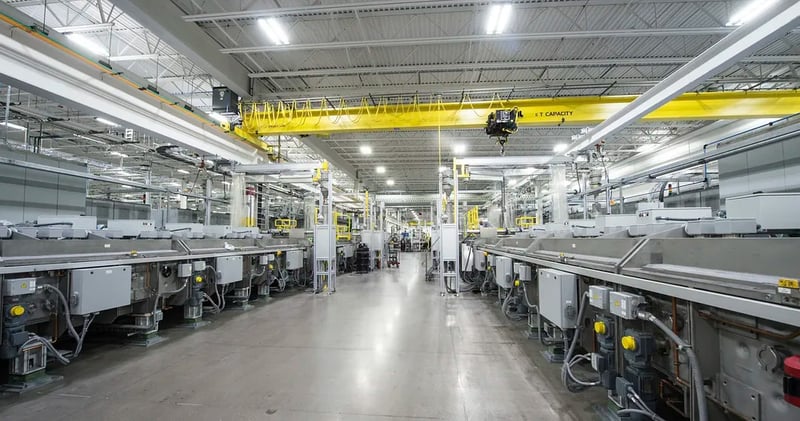
Machinery and Equipment Appraisals Collateral Financing Asset Types

Whether you work at a conventional bank, leasing company, investment house, or private equity firm, there are several options when it comes to mitigating the risk involved with short and long-term lending. The phrase "collateral" can mean any number of different types of assets that the targeted business has available to pledge as security in a transaction. Depending on the type of company doing the lending or investing, they will identify and independently value the collateral as part of the deal structure.

The following assets are considered the most common collateral:

Tangible Asset Types:

Real Property - Buildings, land, improvements, and certain fixtures

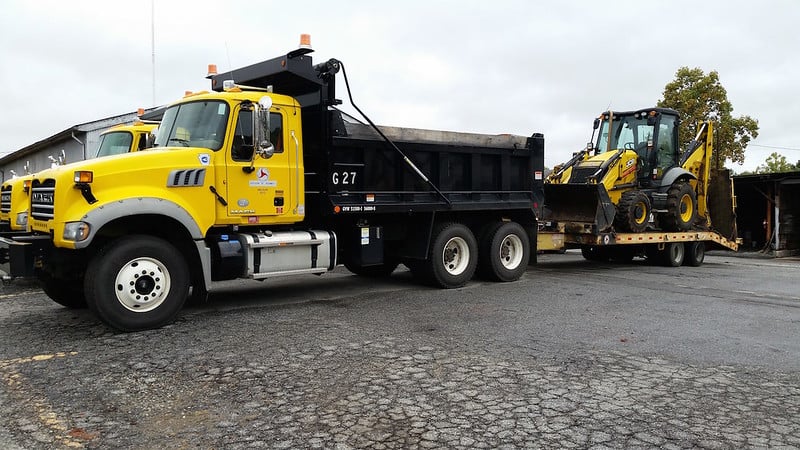
Machinery & Equipment - Typically applied to commercial and industrial business-owned assets. Common examples are construction equipment, trucks, trailers, and machine shops.

Personal Property - Typically identified for individuals and residential properties. Common examples are cash, furniture, household goods, jewelry, and artwork.

Intangible Asset Types: Stocks, bonds, business goodwill, patents, trademarks, customer lists/relationships, established websites, domain names, intellectual property, and trademarks.

From the perspective of conventional banks and leasing companies, tangible assets drive the collateral value assessment when working with businesses or individuals that own a significant amount of real estate and equipment. These organizations understand the overall company value is significantly higher than the sum of the tangible property, however, the ability to “touch and feel” the assets which secure their investment loans and leases brings a higher comfort level.

They are generally in for the long haul with their clients, sticking with them for several years while looking to provide competitive interest rates.

Investment houses, private equity firms, and similar institutions typically take a shorter-term look at the business which creates an opportunity to consider intangible as well as tangible assets when approving and collateralizing transactions. Simply put, overall business value, which combines every asset type into the appraisal equation, is a useful tool for these investors to assess their risk level.

This strategy is logical given the low probability that a significant change in the business will occur when viewing it from a 12-24 month perspective vs. the longer-term bank and leasing company directives.

In summary, collateral is a key component of virtually every investment transaction in the marketplace. Determining the types of assets which will secure these deals depends on the risk profile each company puts into practice. When considering utilizing these types of financial institutions and investment firms, ensure you understand these factors before committing to a business partner.

Tags: bank financing collateral, Machinery & Equipment Appraisals, Tangible Assets, collateral, Intangible Assets

Equipment Appraisals are More Like Puzzles than Math Problems

Posted by Equipment Appraisal Services on Mon, Apr 04, 2022 @ 07:00 AM

Machinery and Equipment Appraisal Appraiser Accredited Experienced

Those unfamiliar with the methodologies and approaches equipment appraisers utilize in their work, commonly believe we are very similar to accountants, who analyze data and perform calculations to arrive at a factual conclusion. While there is certainly some mathematical analysis involved in an equipment appraisal, the ultimate conclusions opined on have a degree of subjectivity given the incongruities often found in the available information uncovered.

Even an asset as straightforward as a truck or trailer can have any number of differing market opinions and comparables to review and consider, before ultimately determining a reasonable value.

A more appropriate example would be that of a jigsaw puzzle, where several of the pieces don’t quite fit. The pieces come from three typical buckets of historical and current information, including (1) secondary market comparable sales and listings; (2) estimated replacement cost new, opinions on useful life and average market-derived depreciation; and (3) specifics on the actual machinery being appraised, such as historical costs, specifications, usage, hours/miles, and maintenance.

All of these three areas should be researched and considered as part of the build-out of the puzzle. However, given the potentially large amount of information compiled from these buckets, there will always be pieces that need to be adjusted in order to make sense of the overall picture. I have found it is rare when it all fits together perfectly and, therefore, the final conclusions of value require some subjective decision-making on the part of the appraiser.

This is where experience, common sense, and practicality all make a difference in the final steps of the analysis. A+B+C will not always equal D and is not just a straight-line calculation. Quite frankly, this is a primary reason experienced appraisers are utilized in business transactions and is what separates a really good appraiser from an average one.

The ability to take a step back and make sense of all the information to ultimately conclude on value is a nuanced effort that should be supported by reasonable logic. When you place the last pieces and see the complete puzzle, there may be a few gaps and some bent edges, but the overall picture is clear enough to make sense of it all.

Tags: machinery & equipment appraisal, accredited appraisers, equipment valuation, experienced

Intended Users and Specific Purposes For Valuation Assignments

Posted by Equipment Appraisal Services on Mon, Mar 21, 2022 @ 07:00 AM

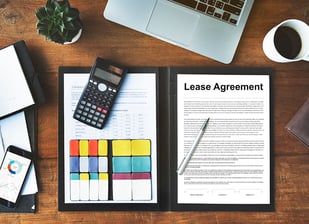
Machinery Equipment Appraisal Report Used in Future Litigation

Accredited and certified appraisers are responsible for certain hours of continuing education to maintain their credentials. As part of this perpetual training and learning experience, there are numerous requirements we adhere to that pertain to each valuation assignment and scope of work effort. Two of these important prerequisites dictate that every report must have a specific use or uses, as well as defined intended users. If the client uses the report for another reason or discloses it to parties unnamed, this is a violation of the engagement terms.

Here is a great example of why this is important to an appraisal assignment.

Potential Future Business Disputes and Litigation Unrelated to the Prior Valuation

Let me preface this by saying there are many instances where an experienced appraiser will be engaged to value businesses, machinery & equipment, personal or real property, as an independent expert, in support of an existing dispute or ongoing litigation. This is one of the primary reasons to engage with an appraiser, to facilitate a settlement, or in support of a trial or arbitration.

There are times when, months or even years later, the client who originally engaged the appraiser for a completely different purpose, such as a sale, purchase, or refinancing, is involved with a future dispute that leads to litigation. Somehow, the old appraisal gets drawn into the case, likely, because the value of certain assets has become a factor in the dispute. Lo and behold, the report is now being thrown around the courts between opposing sides of the case. The appraiser is ultimately dragged into the conflict, unwittingly, and is being asked to present confidential data, and potentially be subpoenaed or testify at a later date.

As long as there are clear statements in the engagement agreement and report regarding the intended purpose and users for the valuation, in addition to a clause addressing client confidentiality, the appraiser is protected from involuntarily being dragged into the proceedings.

The prior client and appraiser need time to directly discuss the case and the reason why the original valuation report might be used. During this discussion, it should be determined who may be involved in engaging the appraiser for what is now considered a new consulting and updated valuation assignment. I’m highlighting this phrase so it is clearly understood, there needs to be a professional discussion between the prior client, attorneys and courts involved, so the appraiser can be comfortable that:

  1. There are no potential disclosure issues involved.
  2. They are the ones allowing (or disallowing) the prior report to become part of the case.
  3. They are entering into a new engagement with the appropriate parties to present any data related to the prior work, begin a new consulting assignment, and/or update the report.

This is the appraiser’s work product, and there are obligations and privileges which need to be recognized by any and all parties now involved with the litigation dispute. Any future work requested should be compensated by the new clients, based on the current rates of the appraiser.

In summary, documentation requirements required by the governing appraisal bodies, such as intended users and report purposes, are important for the appraiser and their clients to understand so any future developments are handled professionally and sensibly.

Tags: Litigation, appraisal report, Machinery & Equipment Appraisals, best practice

Appraising Machinery & Equipment in Emerging and Expanding Markets

Posted by Equipment Appraisal Services on Mon, Mar 07, 2022 @ 07:00 AM

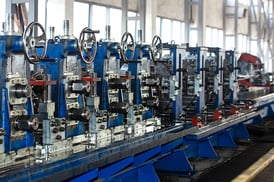
Machinery and Equipment Appraisals Expanding Changing Markets

When appraisers are tasked with valuing equipment in industries which are continuously evolving due to events such as technology improvement, law and regulation revisions, or new government initiatives, how do they adapt to the likelihood there will be limited market data and comparable resale information available to consider.

Some of these ever-growing markets include biotech, cannabis, solar energy, and electric-powered vehicles. There are businesses popping up all the time in support of these industries that need capital to withstand the early stages of growth and become successful. The assets of these companies will be limited to the property and equipment being acquired to operate, with many types of machinery having little to no resale history to research and estimate value for.

The fact is that appraisers come across these types of challenges quite often, even with long-established businesses that operate customized equipment with similar limitations in the secondary marketplace. So how do they adjust their approach knowing that comparable sales data will be virtually non-existent for these types of machinery?

Fortunately, an experienced, accredited appraiser understands there are two primary methodologies that are established and supportable, especially when used in tandem, to complete a reliable and defendable equipment valuation. Once it is determined that comparable equipment resale data will not be a factor to consider, the appraiser will look to contact the manufacturers and vendors involved with the specific build, as well as similar types of equipment in the market.

The focus of the discussions should revolve around opinions of replacement cost new, useful life, and reasonable levels of market depreciation expected over this period. They can also gather general research on the equipment and overall marketplace available from relevant third-party websites with experience in the industry, to better understand the ability to resell the equipment in the future.

Another important component will be obtaining and reviewing the actual investment for the equipment, including the purchase price and costs associated with the installation. This can be found in documents such as purchase orders, quotes, invoices, and capital asset accounting records.

Once the research is completed in these areas, the appraiser can reasonably estimate value for these more unique and specialized assets, that have little to no resale history associated with them. The ability to still consider market sources under this type of approach will balance the investment cost information provided by the business, resulting in a reliable appraisal.

These emerging and expanding markets will eventually have a history that an appraiser can rely on going forward, however, the ability to adapt and utilize the resources available in these early stages, is critical to meet the current challenges appraisers face today.

Tags: valuation, machinery & equipment appraisal, ASA accredited appraiser, emerging markets, expanding markets

Do We Really “Get What We Pay For”?

Posted by Equipment Appraisal Services on Mon, Feb 21, 2022 @ 07:00 AM

Machinery and Equipment Quality Services Products

Image source: Aqua Mechanical on Flickr license

I have heard and used this phrase many times over the years when people are discussing the topic of quality vs. price in both everyday life and business. It is a commonplace belief that the more you pay for something, the better the product or service will be. While there are always exceptions to this axiom, where services are concerned, the fact is that higher quality costs more since it requires experience, integrity, and expertise.

I have personally learned this to be true from my experiences working with sub-contractors, landscapers, tree care companies, accountants, attorneys, even my personal and pet groomers. From a consumer product perspective, it is more of a challenge to compare price vs. quality, given the broader competitive marketplace. There are many reliable, less expensive options out there, however, you should still consider paying a bit more to get the best quality for your hard-earned cash.

The bottom line is twofold:

Make the decision ahead of time that you want the best there is to offer and; research potential candidates to fully flesh out who can deliver as promised.

As machinery & equipment appraisers with decades of experience and the best accreditation the industry provides, we know the cost to engage with us will not be the least expensive option when you are in need of valuation services. We lose out on some opportunities every day because our cost structure will never compete on price with less experienced appraisers who lack the credentials and ability to provide a quality service and product which, ultimately, will be deemed unreliable to both you and any third parties involved in the transaction.

In all markets and industries, both personal and business, these high-to-low-end service options are available to everyone.

In the valuation industry, the “get what you pay for” difference revolves around working with a machinery & equipment appraisal firm that is extremely responsive from beginning to end, and becomes a partner who best understands your goals in the overarching problem being solved. From the scope of work discussion to engagement, to report delivery and consulting, these products and services are of unparalleled quality when compared with any other option out there.

Once you have determined this type of relationship is the one you want to be involved with, please reach out and let us know what we can do for you.

Tags: equipment appraisers, machinery appraisal, accredited appraisers, high quality, experienced