
Equipment Appraisal Blog | Understanding Machinery Appraisals

A Current Snapshot of the Trucking Industry

Posted by Equipment Appraisal Services on Mon, Oct 14, 2024 @ 07:30 AM

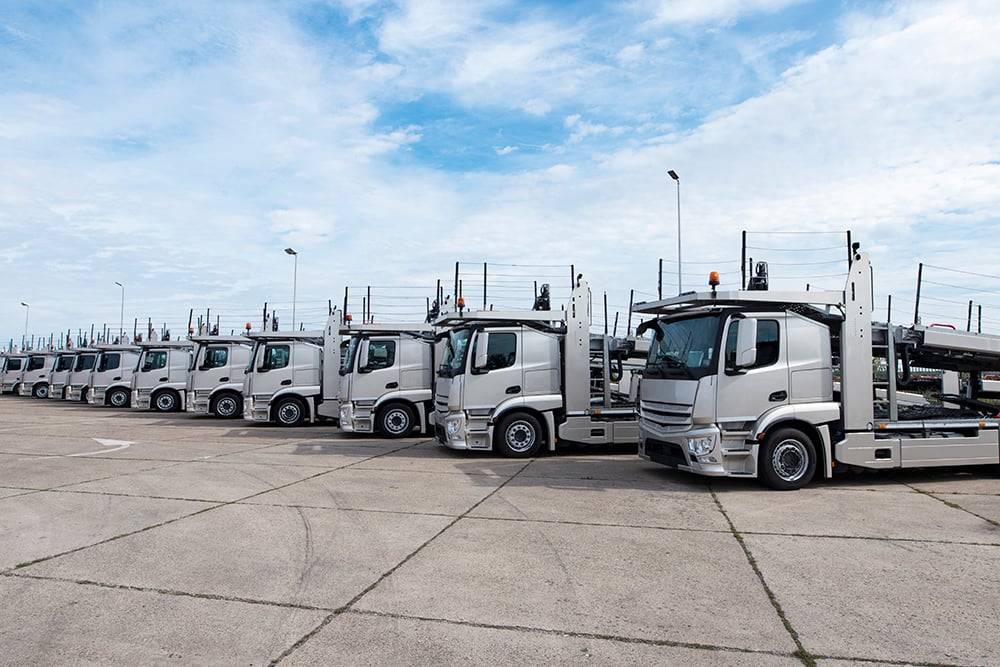
Current trucking industry equipment appraisals

The truck transportation industry in 2024 continues to play a critical role in the global economy, particularly in the U.S., where it remains the primary mode of freight transport. However, the industry is navigating several challenges and evolving trends. Here are a few key variables affecting the market:

Driver Shortages & Retention

The industry continues to face a significant shortage of qualified drivers. The American Trucking Association (ATA) estimates that the shortage could exceed 80,000 drivers in the coming years. On top of that, high turnover rates and long hours contribute to driver dissatisfaction, making retention difficult. To counter this, trucking companies are offering higher wages, signing bonuses, and improved working conditions to attract and keep drivers.

Rising Costs and Freight Demand

Trucking companies are grappling with high operational costs, including fuel prices, insurance, and labor. Freight demand has fluctuated in response to broader economic trends, including inflationary pressures and changes in consumer spending. E-commerce has sustained demand in some sectors, while others, like construction materials, have been more variable.

Technology Impact-Autonomous & Electric Trucks-Telematic Systems

While fully autonomous trucks are not yet mainstream, developments in autonomous technology continue. Companies like TuSimple and Waymo are testing self-driving trucks, with potential for reducing labor shortages and improving efficiency.

More fleets are adopting telematics systems that provide real-time data on vehicle location, fuel efficiency, and driver behavior. This helps companies optimize operations, reduce costs, and enhance safety. With growing environmental regulations and a push for sustainability, electric trucks are becoming more prominent. Companies like Tesla and Rivian have made significant strides, though infrastructure challenges like charging stations remain a hurdle.

Regulatory Changes

Factors such as stricter environmental regulations for things like emissions standards and hours of service regulations requiring drivers to take more rest breaks continue to be points of contention.

The Infrastructure Bill and Jobs Act should benefit the trucking industry both short and long-term with improved conditions of roads and bridges.

Other critical issues, such as supply chain disruptions and sustainability, will continue to challenge the industry both now and in the future.

Corporate Social Responsibility (CSR) and Environmental, Social, and Governance (ESG) practices will need to remain a primary focus for top trucking executives.

In summary, while the trucking industry remains strong and vital to the growth of both the U.S. and global economies, these challenges and regulations will lead to rising operational costs and complexities for business owners. E-commerce will continue to grow and reshape the markets, which could have mixed effects on the industry.

Like many other markets, trucking is at a pivotal moment, with new technologies, economic shifts, and regulatory pressures shaping its future. Companies that adapt to these changes by embracing innovation and addressing workforce challenges are more likely to thrive in this evolving landscape.

Tags: truck appraisals, trucking companies

Why is Replacement Cost New Important in Equipment Appraisal?

Posted by Equipment Appraisal Services on Mon, Sep 30, 2024 @ 07:30 AM

Used equipment in need of appraisal for replacement value

Replacement Cost New, commonly abbreviated as RCN, is very important to understand and estimate with equipment appraisals. RCN represents the current cost of replacing an item with a new one of a similar kind, quality, and capacity. It provides a clear starting point benchmark for determining the value of equipment in cases where depreciation and obsolescence need to be factored in.

For example, with insurance claims, understanding the replacement cost new is critical because policies may cover the cost of replacing damaged or destroyed machinery with new equipment. Even with claims where depreciated replacement cost is the appropriate term, you need to begin with establishing a reasonable RCN.

In virtually every appraisal, RCN is the starting point for calculating the depreciation of equipment. Once RCN is determined, adjustments for physical, functional, technological, and economic obsolescence can be applied to arrive at Fair Market Value. RCN estimates can be developed directly from the market based on listed prices and quotes or annualized using industry data.

Estimating RCN can help businesses evaluate whether it is more economical to repair or replace equipment. If the cost to repair old equipment approaches or exceeds the RCN, a business may choose replacement over repair.

With investment analysis, companies will assess capital expenditures or plan equipment purchases. Understanding replacement cost new assists with budgeting accurately and comparing the financial viability of acquiring new versus used equipment.

For accounting purposes, such as financial and tax reporting, knowing the RCN can assist in determining the correct value of equipment for balance sheets, tax depreciation schedules, and other financial statements. Even if comparable market data is available to estimate the value of used equipment, it is important to understand RCN as a key variable within the cost approach to gain additional perspective and normalize the data found in the used resale market.

In summary, RCN serves as a foundational figure for analyzing and supporting the value of equipment and is essential in all aspects of appraisal work, in addition to informed financial and operational decision-making within other contexts.

Tags: replacement cost new, used equipment

When to Use Forced Liquidation Value in Equipment Appraisal

Posted by Equipment Appraisal Services on Mon, Sep 16, 2024 @ 07:30 AM

forced liquidation value of machinery and equipment in appraisals

Forced Liquidation Value (FLV) is a type of appraisal premise commonly used in equipment valuation, particularly when the sale of the machinery needs to happen quickly, often under distressed conditions. FLV typically reflects the price that equipment would sell for under less-than-ideal conditions, such as a short sale period, limited buyer interest, or an auction. A typical time frame to complete a sale would be 60-90 days.

Here are some situations when using FLV in equipment appraisal may be appropriate:

Bankruptcy or Foreclosure

When a company is going through bankruptcy or foreclosure, assets may need to be sold fast to pay off creditors. In these cases, FLV provides a realistic estimate of what the equipment might sell for under the pressure of time.

Loan Defaults and Distressed Sales

If a borrower defaults on a loan, the lender might repossess the equipment and sell it to recover losses. FLV is used because the sale is usually time-sensitive, and the market conditions may not be favorable. When an organization needs to sell its assets quickly due to financial difficulties or liquidation, FLV is estimated to reflect the urgency and the likely lower price that will be realized under such conditions.

Asset-Based Lending

In asset-based lending, where equipment serves as collateral, the lender may use the FLV to calculate the amount of the loan, since, in case of default, the equipment might have to be sold quickly.

Auctions

When equipment is sold at an auction, particularly in distressed situations, FLV is relevant because the assets are sold all over a 1–2-day period, with a short window to advertise the sale. The bidding process might very well result in lower prices compared to private sale conditions.

Business Closure or Downsizing

When a business is closing down or downsizing and needs to sell off equipment immediately, FLV is used to estimate the expected return in a forced sale situation.

In summary, FLV is most appropriate when an immediate liquidation is expected, and these circumstances prevent a seller from marketing over an extended period to get the best possible price.

Tags: used equipment, forced liquidation value

Typical Clients for Equipment Appraisers

Posted by Equipment Appraisal Services on Mon, Sep 02, 2024 @ 07:30 AM

happy machinery and equipment appraiser

One of the benefits of choosing to become an accredited equipment valuation professional is the diversified range of clientele who need these services. Regardless of the state of the overall economy or particular industry, there are potential customers that come from several different market sectors looking for experienced appraisers to assist them with their transactional or case-related deals.

Here are a few examples of the more common client types:

Business Owners

Companies that utilize a lot of equipment in their day-to-day operations commonly look to buy used equipment to replace older assets that need to be sold in the secondary market. Appraisers can assist in both of these situations.

Banks and Leasing Companies

Whether a traditional bank is looking to collateralize a loan or a leasing company wants to set realistic residual values and resell returned equipment, accredited machinery appraisers can help value both the front and back end of these deals.

Private Equity Groups

In the merger and acquisition markets, these groups will look to invest in certain equipment-based companies by acquiring them, reorganizing them, and maximizing their profitability over a short-term period. Eventually, they will resell the business within the respective industry. Machinery appraisals are needed from a risk, accounting, and tax perspective.

Attorneys-Partner Dispute Work-Divorce-Insurance

For experienced appraisers with the right credentials, teaming up with law firms on internal and external business disputes, divorce cases, insurance claims, tax issues, and related areas offers plenty of opportunities to get involved with litigation work. This allows one to build up a resume of testimony experience as well.

Individual Donors

Donation appraisals are quite common. People will give their used assets to technical schools, universities, museums, and other non-profits requiring a qualified appraisal for items valued over $5,000.

In summary, this broad range of clientele affords machinery and equipment appraisers several avenues to grow their business effectively. Think about the types of clients that would best serve your business.

Tags: equipment appraisers, machinery appraiser

Asset Managers in Equipment, Finance, and Leasing

Posted by Equipment Appraisal Services on Mon, Aug 19, 2024 @ 07:30 AM

Machinery and equipment for financing or leasing appraisals

Developing the foundation to becoming an independent equipment appraiser can come from many different career paths. It can be beneficial to work in another capacity before gaining accreditation in this lesser-known valuation discipline. My background began in equipment finance, leasing, and the asset management side of that business.

When people hear the term asset management, they may first think of the financial investment “money” side of the practice. However, for the past 40+ years, it has become a significant component of every equipment lending business as well.

The risk profile associated with every machinery and equipment loan or lease needs to be leveraged with the internal ability to understand better the value of the assets being collateralized by these investments. A potential exit strategy must also be put in place should the equipment be repossessed in a default situation or returned at the end of a lease expiration.

In the early days of equipment asset management, most finance companies relied on working with equipment brokers and auctioneers who managed their returned equipment and facilitated the sale of these assets under a liquidation scenario. This often resulted in exceptionally low returns to the lender, who then faced absorbing losses from their initial investments.

Working with these equipment dealers over time became an educational experience for internal asset managers, who learned how to better estimate current and future equipment values and how best to resell returned equipment for higher prices.

Over time, many of these equipment lenders, banks, and leasing companies sought out experienced appraisers and certain industry experts to work more directly with them to minimize future investment risk and maximize the return on their used equipment sales.

In many cases, they eventually hired them full-time to manage their portfolios while working closely with the rest of the investment team on a day-to-day basis to create a synergized relationship with the rest of the operation.

It is common today to see accredited appraisers working internally for many larger banks and leasing companies. Having their asset managers educated and experienced in independently appraising machinery and equipment creates the best risk profile for the financial services business, and it allows for the opportunity to maximize the resale value of their returned equipment portfolio.

Tags: equipment leasing, asset valuation, financing