

Equipment Appraisal Blog | Understanding Machinery Appraisals

What Equipment is Evaluated in a Recycling Facility Asset Appraisal?

Posted by Equipment Appraisal Services on Mon, Feb 03, 2020 @ 08:00 AM

Recycling Facility

With the changes in today's culture to focus on sustainability, recycling has become a hot business. From LEED construction credits for materials that contain recycled content in them to initiatives to reduce waste in municipalities, recycling businesses are seeing significant growth. But what is the value of that recycling company? A recycling facility asset appraisal can help your business flourish, providing you with information on the value of your equipment. But what equipment is evaluated during the appraisal process and how is it valued? Here's a quick look at the equipment and process involved.


What Equipment is Evaluated in a Recycling Facility Asset Appraisal?

  • Conveyance equipment: To move your recyclables from one location to another within your facility and to make it easier to load these items for shipping or processing, the equipment that conveys your items around is of vital importance to your business' success. Conveyor belts, hoppers and similar equipment are appraised based on its condition, demand for that equipment in the market and similar aspects that will impact the equipment's value in the market. 
  • Material handling equipment: Beyond simple conveyance, some material must be handled with other equipment. This can include a range of items, such as pallet jacks, forklifts, loaders and similar machinery, which is used to haul and load bales, hoppers, pallets and other types of storage for the material you're recycling. This type of machinery can often be used in other industries, therefore the equipment's value can be influenced by its popularity in those industries, so understanding the factors that can influence that value is of vital importance to the financial health of your business.
  • Sorting equipment: To keep your operation running efficiently, you need sorting equipment that will quickly and effectively sort one type of recyclable from another, which can happen based on weight, type of content and similar properties so that you can get those recyclables to market with very little contamination in your batches. The accuracy with which this type of equipment can sort materials, the condition of the equipment and the amount of material it can handle within a set period of time can all impact the overall appraised value of the equipment as demand for that machinery and the recyclables it sorts rises and falls.
  • Packaging equipment: The machinery that packages your equipment into larger quantities and makes it easier to handle, load and transport helps keep recyclables moving throughout your facility. Balers, compactors and related machinery are a vital part of your business, the loss of which can create serious problems for your company. Though these pieces of equipment can be used in other industries, some are too specialized for use outside the recycling industry, so understanding which types of equipment can be used in which situations is important to determining the value of the machinery.

By having a recycling facility asset appraisal performed, it provides you with solid information about the value of your business' equipment assets. However, it's of vital importance that the valuation is performed by an accredited equipment appraiser, because doing so ensures that the valuation that is calculated is free of other influences. An accredited equipment appraiser is able to provide you with an independent third-party opinion on the value of your equipment, without being interested in the outcome of that valuation.

Tags: Recycling Facility Equipment Appraisal

What Kind of Equipment is Checked Out in a Mining Equipment Appraisal?

Posted by Equipment Appraisal Services on Mon, Jan 20, 2020 @ 08:00 AM

mining equipment valuation

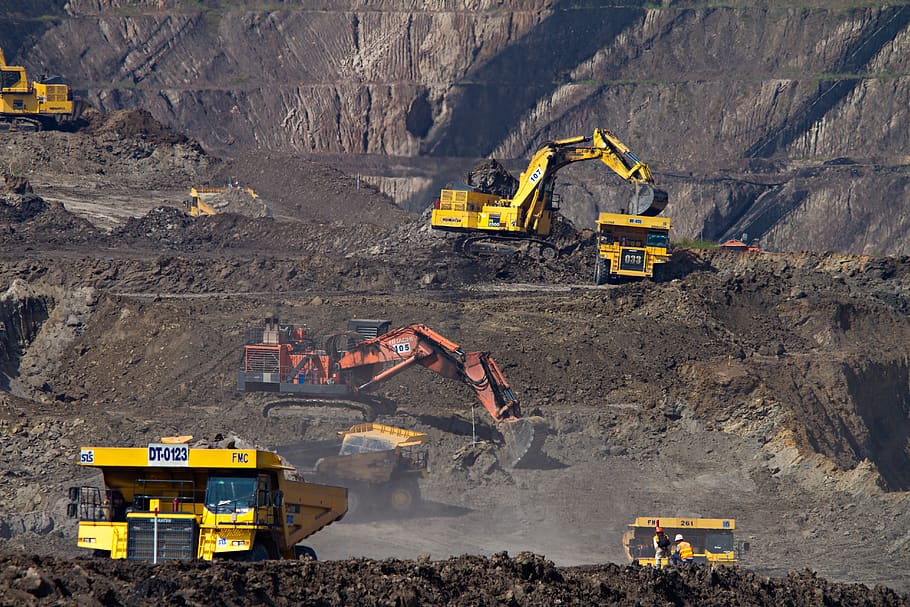
When you're having a mining equipment appraisal performed for the first time, it's not unusual to wonder what kind of equipment will be covered during the process. The short answer is: all of it. There are certain high-level pieces of equipment that should always be covered when you're having your mining company's equipment valued, to ensure that you have proper documentation of that value in case of a cave-in, mudslide or similar event that causes that equipment to be lost. Here's a quick look at major categories of equipment.


What Kind of Equipment is Checked Out in a Mining Equipment Appraisal?

  • Excavators: In the old days, mining was accomplished by pick and shovel, but the advent of machine power has made excavators the equipment of choice to get the job done quickly and efficiently.
  • Draglines: Used by miners to drag dirt away from the surface to reveal minerals beneath the surface, draglines do an exceptional job of quickly removing tons of dirt in a single pass, presenting a mineable surface for excavation.
  • Roof Bolters: To improve safety and reduce the risk of cave-ins during mining operations, roof bolters are used to force bolts into a rock face using hydraulic power. 
  • Longwall Miners: With hydraulic systems that support the mine ceiling during operations, longwall miners remove rectangular sections of minerals, allowing pockets of a mineral to be removed without disturbing as much of the surrounding rock.
  • Continuous Miners: To remove mineral deposits a bit at a time from a large deposit, continuous miners feature large, rotating teeth to get the job done.
  • Rock Dusters: Used to prevent fires, rock dusters spray nonflammable rock dust onto mining faces in coal mining, to prevent the coal from catching fire during mining operations.
  • Shuttle Cars and Scoops: To transport minerals from the mining location to collection points within the mine, shuttle cars provide essential transportation to scoops, which finish removing the minerals from the mine entirely.
  • Haul Trucks: Capable of hauling hundreds of tons of dirt, rock, minerals or other material in a single payload, haul trucks are huge dump trucks, specially designed to carry extreme loads.
  • Highwall Miners: When exposed surfaces from open-pit mining reveal horizontal seams of minerals, highwall miners are used to extract this material to optimize mining efficiency.
  • Bulldozers: Used to push large amounts of material around, bulldozers can be part of loading, clearing and scraping operations to help reveal mineral seams to mining operations.
  • Graders: In open-pit mining, graders help keep the roads into and out of the pit operational to allow heavy equipment to pass and continue operating.
  • Conveyors: When rock is crushed or mineral material needs to be moved around the mining site, conveyors help get the job done quickly and efficiently.

Though this should give you a solid idea of what type of machinery is evaluated during a mining equipment appraisal, it is by no means an exhaustive list. Other items that can be evaluated include transporting vehicles, rock crushers, ventilation systems, laboratory testing machinery and other assets that help keep your mining company operating in the black on a daily basis. However, it's important that you have the appraisal performed by an accredited equipment appraiser, so you can ensure that you're getting unbiased calculations from an independent third party who has no personal stake in the outcome of the appraisal.

Tags: Mining Equipment Valuation

What Kind of Personal Property is Covered in a Corporate Office FF&E Appraisal?

Posted by Equipment Appraisal Services on Mon, Jan 06, 2020 @ 08:00 AM

Corp office FF&E

When you have an office with a lot of furnishings, equipment and other items, those possessions have value, a value that is often overlooked in accounting and business appraisal. Corporate office FF&E appraisal looks at the value of your business' furnishings, fixtures and equipment, so that you have a better picture of what those assets are really worth for your business. Here's a look at the different kinds of personal property are valued during this type of equipment appraisal.


What Kind of Personal Property is Covered in a Corporate Office FF&E Appraisal?

  • Furniture. From your lobby sofas to your break room tables and all of the desks, chairs, credenzas, filing cabinets, bookcases and other furniture in between, your office furniture is a big investment in your office's functionality. Because it's important to recognize the difference in value between commercial and residential furniture, an appraisal helps protect that value.
  • Furnishings. Beyond your furniture, the other items you have in your office to give it some character and personality can be a big investment. From the customized artwork in the lobby to the fountain that brings tranquility to your breakroom, these items have significant value that needs to be defined, characterized and documented against any future loss, such as a fire, flood or other disasters.
  • Fixtures. Do you have display cases? Brochure racks? Other items that help to showcase your business and everything it represents? These fixtures are often developed at significant costs to help promote your business, costs that should be protected. By documenting what these fixtures are worth, you can more easily determine reasonable costs for replacement down the road.
  • Computers. What is the value of your office computers? Between the time that you purchase your office's computer equipment and the point that you retire it, how much has it changed? Having the current value of this equipment makes it easier to replace in any number of situations, whether it's a power surge, lost laptops during travel or that cup of coffee that wasn't quite far enough away from the keyboard.
  • Other IT Equipment. What other machinery do you have in your office that keeps your IT assets running? Routers, hubs, printers, scanners: whatever IT equipment you have in your office, being able to prove the value of that equipment is important to your bottom line, especially given its often high market cost.
  • Specialty Equipment. What other specialty equipment do you have in your office? A Keurig in the break room? Kitchen equipment in the cafeteria? Video games in the break room? Whatever other equipment you have in your office that isn't otherwise covered can be looked at under this type of assessment.

By having a corporate office FF&E appraisal performed on the personal property in your office, you can have a much better idea of what those items are actually worth, making it easier to leverage that value for your company's growth, make smarter sell or no-sell decisions, fight a bad tax assessment or get the items replaced during an insurance claim. However, it's vital that you have the appraisal performed the right way, using an accredited equipment appraiser. Because they don't have a vested interest in the outcome of the appraisal, they'll provide you with the most accurate, unbiased valuation based on tested methodologies that have stood the test of time. 

Tags: Corporate Office FF&E Valuation

What Happens in a Private Medical Facility Equipment Appraisal?

Posted by Equipment Appraisal Services on Mon, Dec 23, 2019 @ 08:00 AM

private medical facility equipment appraisal

When you've kept your medical facility off of the market and it's privately held, what happens when you need to make changes or decisions about the business that are dependent on its value? A private medical facility equipment appraisal can help you determine exactly what you have and what it's worth, giving you the information you need to make smart decisions for your facility. Whether you run a nursing home, hospital, physical therapy center or similar facility, knowing what happens during the equipment appraisal process can help you through the process.

What Happens in a Private Medical Facility Equipment Appraisal?

Though medical equipment does have its own markets for resale and value, these markets are somewhat limited and may be strongly influenced based on location, new medical discoveries and new treatments. These create challenges to the market that are unique, because most other industries don't follow these same types of trends when determining the value of machinery. But whether it's an MRI, exam table, heart monitor or other durable medical equipment, the equipment should be considered when you're undertaking important decisions for your medical facility. Why? Because that value impacts the decisions you're making by providing you with a solid financial picture of your facility.

But why should you have an equipment appraisal performed on your private medical facility's equipment? As equipment ages, it loses value, which is why it's value is depreciated on tax tables for accounting purposes. However, the value from the table isn't necessarily the end value of the equipment. We've all had pieces of machinery that were completely depreciated within a few years, but continued to provide solid service for many years beyond that point. That equipment has value and should be included in the estimated value of your private medical facility's assets. It can be used to secure loans, provide an accurate view of your medical facility's financial health, as a negotiating point for the sale of the facility and many other purposes. The best way to determine that value is through an equipment appraisal from an accredited appraisal specialist. 

During the equipment appraisal process, the appraiser will take a look at the value of comparable machinery, preferably the same model from the same manufacturer. This value will then be adjusted, using a tested methodology that has been tested in a wide range of legal, insurance, tax and financial circles. These adjustments are based on the equipment's overall condition, whether it has signs of abuse, if it appears to be fully functional, demand for the equipment in the market and other factors that may come into play in the process. The information is condensed into an appraisal report.

Your equipment is a large part of your facility's assets, and knowing its value is vital to ensuring that you'll be able to leverage those assets when you need them. Having the information from your valuation report available makes it easier to decide when equipment should be replaced, when it should be leveraged for collateral to grow your business or other important decisions for your asset recovery strategy. However, it's important to work with an independent, accredited equipment appraisal specialist in these situations, because as an independent third party, the appraiser will have no interest in working in favor of a supplier, manufacturer or other sales-based organization.

Tags: Medical Facility Equipment Valuation

How is a Golf Course Country Club Asset Appraisal Carried Out?

Posted by Equipment Appraisal Services on Mon, Dec 09, 2019 @ 08:00 AM

Golf Course Country Club FF&E Valuation

When you own or operate a golf course, country club or similar facility, keeping your customers and members happy is a vital part of the success of your business. But when it comes time to update your facility, take advantage of a local land sale for expansion or undertake new construction, do you really know what your business is worth? Older equipment may have been fully depreciated, but is still a vital part of regular operations. A large part of your overall assets can be tied up in a range of different types of equipment, and knowing what that machinery is worth gives you a strong advantage when you're considering a bank loan, need to deal with insurance to replace equipment lost in a fire or have to work through a court case. Here's a quick look at the types of equipment that are common to this type of facility and what's involved in golf course country club asset appraisal.


How is a Golf Course Country Club Asset Appraisal Carried Out?

Green and Facility Maintenance Equipment

Tractors, mowers, aerators, sprayers: your golf course or country club has a lot of capital tied up in your green maintenance equipment. Because much of this equipment is similar to that used in agriculture, it will have a similar value to that type of machinery. However, some of your machinery provides a much finer finish than simple farming equipment, and that needs to be taken into account. You also have floor cleaners, power tools and other equipment used to maintain your facility. Your equipment's age, usage and condition will all be considered when your equipment is appraised, as well as any kits or options that you've invested in to keep your greens looking their very best.

Training and Rental Equipment

Do you have golf carts available for rent? Computer-aided training systems that your pro shop uses to help members and customers up their game? These types of equipment that are used by customers to build value in your country club or golf course can get expensive, and knowing what they're really worth can help ensure the accuracy of your accounting books. This machinery will be evaluated based on its specific brand and model, the condition that it's in, market demand for that equipment and similar information.

Hospitality Equipment

What about catering and facility rentals for special events, such as weddings, reunions, conferences or similar events? If you have a commercial kitchen, multi-media equipment or other entertainment machinery, it's part of your overall bottom line and needs to be considered when you're having an equipment appraisal performed. The equipment will be evaluated in terms of manufacturer, model, condition, expected useable lifespan remaining, market demand for that machinery and similar details to help calculate its estimated value.

By having a general idea of what your equipment is worth through a golf course country club asset appraisal, you'll be in a much better position to work through a range of different situations, including appealing an inaccurate tax assessment, securing financing, working with insurance adjustors and fighting a court case. However, it's best to work with an accredited equipment appraiser who can provide you with an independent evaluation of your machinery's value. This way, you know that they're not putting their own interests first.

Tags: Golf Course Country Club FF&E Appraisal