

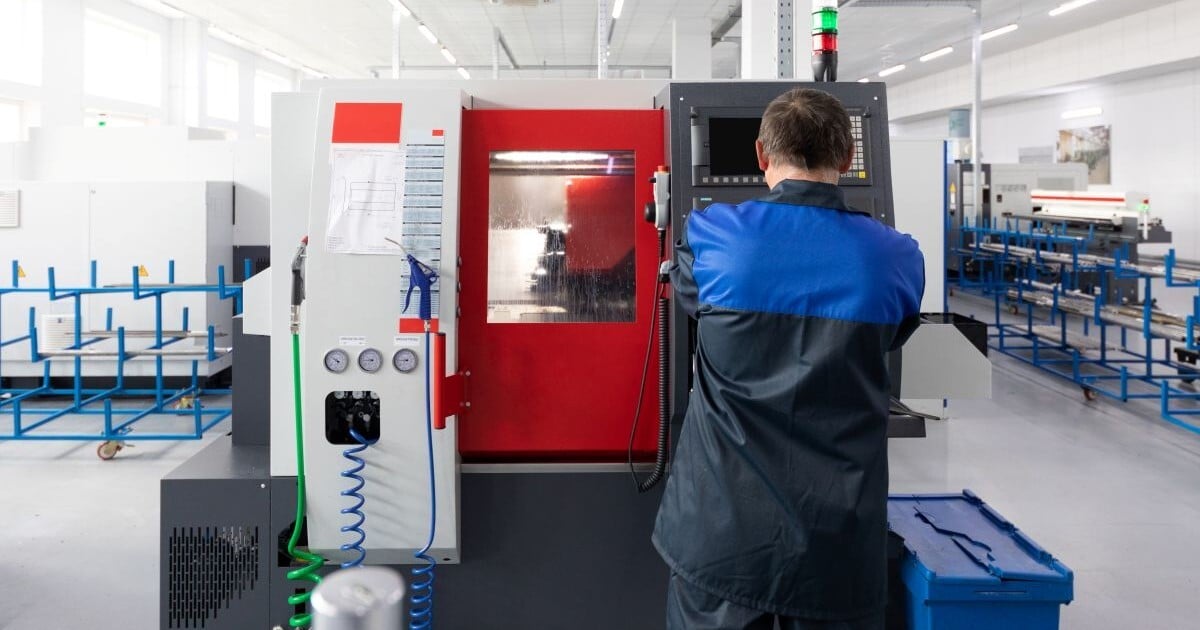
A CNC machine is appraised by researching the used equipment market and comparing the machine to similar equipment offered for sale or recently sold. The appraiser evaluates differences in age, condition, usage, specifications, and options to determine its value.
Finding comparable CNC machines isn't always easy. Machines are custom-ordered and configured for each user. Even machines of the same make, model, and year can have major differences that affect what a buyer is willing to pay.
How Do Appraisers Determine CNC Machine Values?
The Sales Comparison Approach is a common method for valuing CNC machine tools. This is also sometimes called the Market Approach. Appraisers research the used machinery market for dealer listings, auction results, and other sources of equipment sales and pricing data.
The challenge for appraising a CNC machine is finding machines that are truly comparable to the subject. Just like a vehicle where trim level, mileage, and condition affect resale value, CNC machines may each have a unique value based on their individual circumstances.
For example, consider two Haas VF-4 vertical machining centers manufactured in the same year. One might have a fourth-axis rotary table and very little use, while the other has a basic configuration and has been operating thousands of hours per year.
An appraiser considers these differences when evaluating the available market evidence.
For specialized machines with limited resale data, the Cost Approach may also be useful. This involves estimating the current cost of replacing the machine and deducting depreciation and obsolescence.
How Do Age, Hours, and Condition Affect CNC Machine Value?
A CNC machine's age is a good data point for estimating its potential value, but it doesn't tell the whole story.
A ten-year-old machining center which has been used sparingly to cut soft materials in a very clean shop may be more valuable than a five-year-old machining center which has been used around the clock to cut hardened materials in a rugged environment.
Spindle hours and cutting hours can help an appraiser understand how heavily a machine has been used. Maintenance history matters as well; a machine with a recently replaced spindle or rebuilt components may be more attractive to buyers than one facing major repairs.
Do CNC Controls and Options Affect Value?
Yes. Two machines with the same model number can have very different capabilities depending on their configuration.
CNC controls are an important consideration. Older control systems can become difficult to maintain as replacement parts and technical support become less available. Newer controls may also offer capabilities that make a machine more desirable. An uncommon or obsolete controller that requires specialized operator knowledge can make a machine less attractive to buyers, especially as experienced operators retire or move on.
Other common features that can affect value include fourth- and fifth-axis capabilities, automatic pallet changers, probing systems, bar feeders, and high-pressure coolant systems.
Tooling and accessories also matter. A machine sold with a rotary table, toolholders, and standard workholding equipment may bring more than the same machine sold without them. On the other hand, custom-engineered tooling for proprietary part manufacturing may not add any value to a machine buyer who is not making the same parts as the prior owner.
In any case, an option that cost $25,000 when new doesn't necessarily add $25,000 to the machine's resale value. The appraiser has to consider what features buyers actually want, need, and will pay for in the used market.
The comparison with used vehicles is apt here as well: four-wheel-drive is a desirable option in a used pickup truck and will likely add resale value; a custom paint scheme may have been expensive when the truck was new, but may not add any resale value for a second buyer.
How Do You Find Good Comps for CNC Machines?
The most difficult part of appraising CNC machines is often finding good comparable sales and offerings, or “comps.”
This is where the comparison with appraising vehicles is less applicable. If you are pricing a used sedan, there are a limited number of manufacturers, models, trims, and major options for comparison. Even after narrowing your search parameters for age, mileage, and condition, you should still be able to locate several solid comparables with publicly advertised pricing.
For CNC machines, there are seemingly endless manufacturers, models, configurations, and options. Some machine brands are very popular - such as Haas, Mazak, and Okuma - but there is a very long list of smaller specialty brands which target niche processes and user bases. Even equipment appraisers with decades of experience regularly come across machine brands and models they have never seen before.
Even among the popular brands, the major configuration options are numerous, and sometimes create machines with very different capacities and resale values from a base model.
The result is that many CNC machines will have few, or even no, comps with high similarity which can be used for pricing. And unlike vehicles, asking prices are often not published for machine tools.
Appraisers often have to settle for finding comps which are relatively close to the subject machine and use them to bracket in a potential value range, adjusting for differences from the subject. Finding multiple comps of the same make, model, age, and configuration as the subject machine is usually only possible when appraising the most popular machine brands and models, and even then can be difficult.
Qualified equipment appraisers rely on a combination of industry relationships, career experience, paid database subscriptions, and prior assignment research to develop reasonable valuations when comps are thin or nonexistent.
Does Installation Affect CNC Machine Value?
It can, depending on the premise of value.
A CNC machine installed and operating in a manufacturing facility may have a different value than the same machine being sold for removal.
Moving and installing a large machining center can involve rigging, freight, electrical work, and setup costs. These costs may contribute to the machine's value when it is appraised under a Fair Market Value Installed or in Continued Use premise.
For an equipment liquidation, the situation is different. Buyers may have to pay to disconnect, remove, and transport the machine. Those expenses can affect what they're willing to offer.
This is why the purpose of the appraisal – called the “intended use” – matters. A machine being valued for continued use in a manufacturing operation isn't necessarily worth the same amount as one being sold at auction.
What Information Is Needed for a CNC Machine Appraisal?
An equipment list with the manufacturer, model, serial number, and year is a good starting point.
For CNC machines, appraisers also need information about the controls, usage, condition, options, and accessories. Photographs of the machine, control panel, and identification plate can be especially useful.
An on-site inspection may be needed when the machine's condition or configuration cannot be adequately established from the available records.
The Bottom Line
CNC machine appraisals require more than looking up a model number and assigning a value. Machines that appear identical on an equipment list can sell for very different amounts. Unlike vehicles or other common assets, CNC machine comps are often difficult to find and used pricing is not always available.
Experienced equipment appraisers know where to find comparable machines, how to evaluate the available pricing data, and how to account for differences between the comps and the subject machine.
Common Questions About CNC Machine Appraisals
How much does a CNC machine depreciate each year?
There is no fixed annual depreciation rate for CNC machines. Value depends on the machine's age, condition, capabilities, and demand in the used equipment market. Accounting depreciation schedules don't reflect market value.
Do CNC spindle hours affect value?
Sometimes. Spindle hours help indicate usage and potential wear, but they should be considered alongside maintenance history and the machine's actual condition.
Can an older CNC machine still have substantial value?
Yes. Older machines can retain value when they remain productive, are well maintained, and have controls and replacement parts that are readily supported.
Can a CNC machine be appraised without an inspection?
Yes. A desktop appraisal can be completed when the available records, photographs, and other information are sufficient to develop credible appraisal results. Whether an inspection is needed depends on the assignment.