
Equipment Appraisal Blog | Understanding Machinery Appraisals

What Information Is Needed for an Equipment Appraisal?

Posted by Equipment Appraisal Services on Mon, Sep 21, 2026 @ 07:30 AM

Equipment appraiser documenting tractor information during an equipment appraisal.


An equipment appraisal typically requires an equipment list identifying the manufacturer, model, year, serial number, and condition of the assets being appraised. Depending on the equipment and scope of work, the appraiser may also request photographs, purchase records, maintenance information, and other supporting documentation.

Complete records are not always necessary. An equipment appraiser can often develop or update an asset schedule as part of the assignment when existing records are incomplete.


What Information Does an Equipment Appraiser Need?

In order to complete an equipment appraisal, a qualified appraiser will typically start by asking for a detailed equipment list. The list should include primary identifiers such as year, manufacturer, model, and serial number, along with operating hours or mileage and any additional notes on condition, configuration, or accessories.

The appraiser will also typically ask for any existing fixed asset schedules or other equipment lists, along with an overview of the facility and main processes involving the key items. Finally, the appraiser may ask for historical purchase information, especially for high-value items.

Most businesses maintain accounting records of fixed asset purchases, often in the form of a tax asset detail report or depreciation schedule. These records are helpful, as they give the appraiser a general overview of the type, quantity, age, and historical cost of items to be appraised. However, these schedules rarely contain enough descriptive information to serve as the sole basis for an appraisal.


Are Photographs Required for an Equipment Appraisal?

When an equipment appraisal is being conducted as a desktop appraisal (without a physical inspection) the appraiser may request photographs of the items from the client. Photographs are especially helpful for non-standard items, such as custom manufacturing machines or integrated process lines. Standard items, such as mass-produced mobile equipment or small standard equipment, can often be appraised based on detailed information and without necessarily requiring photographs.

Photographs can also provide information about the equipment that may not be apparent from the equipment list alone.

For example, a common entry in an equipment list may look like this:

2024 Kenworth T800 day cab semi-tractor, VIN 1234567890ABCDEFG, 125,000 miles

The client may not include any additional configuration notes. However, a photograph may reveal an additional lift axle and an extended wheelbase, both of which may affect the truck's fair market value.

Photographs can therefore help identify important equipment configurations that may not be reflected in the asset list.

When an on-site inspection is included in the scope of work, the appraiser will typically take the photographs rather than requiring the client to provide them. An exception may be when important items are located off-site or are otherwise inaccessible during the inspection.


What Documentation Does an Equipment Appraiser Need?

The documentation requested will vary depending on the equipment and scope of work. Experienced equipment appraisers are accustomed to working with limited information, but clients should provide available documentation when requested to support the valuation analysis.


The most common documents requested by equipment appraisers include the following:

Document

How it helps

Fixed asset schedules

Identify assets, acquisition dates, and historical costs.

Invoices and specifications

Confirm configuration, options, and purchase details.

Maintenance records

Document rebuilds, repairs, and equipment condition.

Usage logs

Provide operating hours or mileage.

Vehicle titles

Verify VINs and vehicle information.

Insurance or certification lists

Provide additional asset identification and records.

Prior appraisals

Supply historical descriptions, photographs, and condition information.


Each document may provide information that is missing from the primary equipment list, helping the appraiser verify asset identification and develop a more complete understanding of the equipment being valued.

Equipment appraisers can often complete assignments without all requested documentation. However, available records can help ensure proper identification, reduce the risk of omitting assets, and provide important contextual information for the valuation.


What If Equipment Records Are Missing or Incomplete?

Incomplete or inaccurate asset records do not necessarily prevent an appraisal. In fact, many large and sophisticated businesses do not maintain accurate equipment records, particularly for older items which have been fully depreciated for tax purposes. The appraisal scope of work often includes updating and correcting existing schedules.

Even when no records exist, the appraiser can often create an equipment list during an on-site inspection or by reviewing photographs and other information provided for a desktop appraisal.

However, adding these tasks to the scope of work may increase the time and fee required for the assignment. Missing information may also require additional assumptions or limit the appraiser's ability to identify and evaluate certain assets.


The Bottom Line

An accurate equipment list and supporting documentation can help an appraiser complete an assignment more efficiently. However, incomplete records should not prevent a business from obtaining an equipment appraisal.

A qualified equipment appraiser can help determine what information is necessary, identify missing records, and establish a scope of work that accounts for the information available. Clients can contact Equipment Appraisal Services with an existing equipment list or a general description of the assets to discuss the appropriate scope of work.


Common Questions

Will incomplete equipment records increase the cost of an appraisal?

They can. If an appraiser must create an equipment list, identify undocumented assets, or gather missing information, the additional work may increase the assignment fee and turnaround time. Providing available records before requesting a quote can help the appraiser establish an appropriate scope of work.

Can I get an equipment appraisal without an equipment list?

Yes. An equipment appraiser can often create an equipment list as part of the assignment, either through an on-site inspection or by reviewing information and photographs provided by the client. Creating the list may increase the cost and turnaround time of the appraisal.

Do I need purchase invoices for an equipment appraisal?

Not necessarily. Purchase invoices can provide useful information about equipment specifications, configuration, and historical cost, but appraisers can often develop credible valuations without them. The need for purchase information depends on the equipment and valuation methods used.

Can equipment be appraised without an on-site inspection?

Yes. A desktop equipment appraisal may be appropriate when sufficient information and photographs are available. Whether an on-site inspection is necessary depends on the equipment, available documentation, intended use, and scope of work.
Tags: asset records, documentation

How Long Does an Equipment Appraisal Take?

Posted by Equipment Appraisal Services on Tue, Sep 08, 2026 @ 07:29 AM

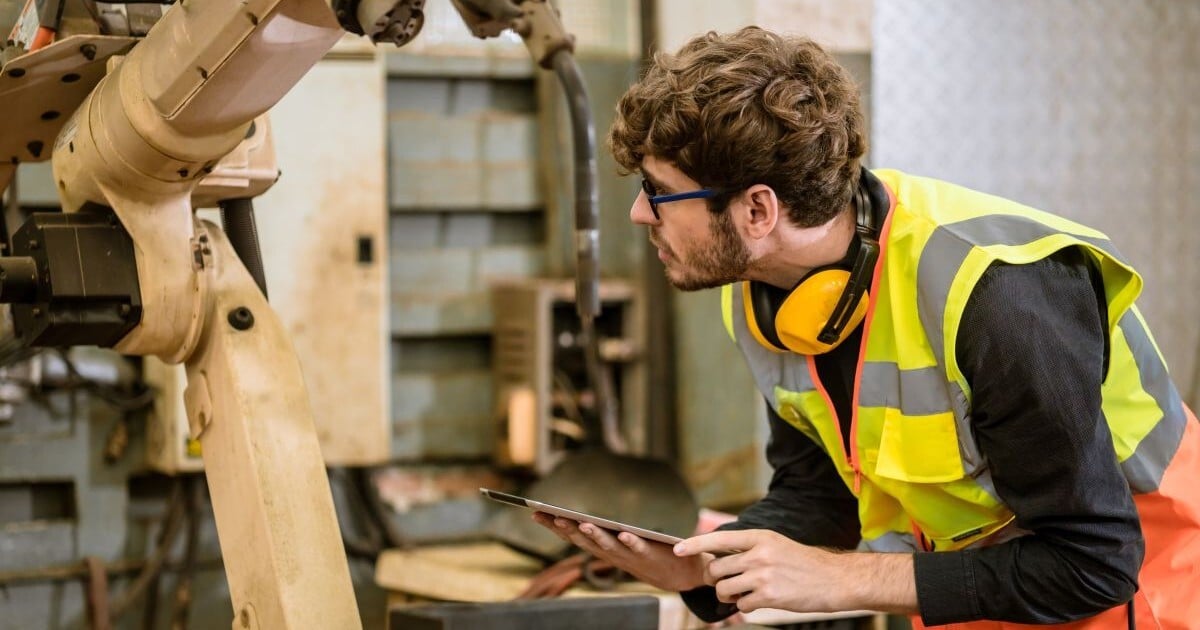
Equipment appraiser inspecting industrial machinery during an on-site appraisal

Most equipment appraisals can be completed within a few days to several weeks, depending on the size and complexity of the assignment and the site visit requirements. There is no standard equipment appraisal turnaround time because the scope of each assignment can vary considerably.

The quantity and type of assets, quality of the available records, inspection requirements, intended use of the appraisal, and difficulty of the valuation research will all affect the timeline.

A large equipment appraisal does not necessarily take longer to complete than a small one. An appraisal of hundreds of similar trucks, forklifts, or other standardized assets may require less time than a much smaller appraisal of custom manufacturing equipment or specialized technology.

In all cases, poorly documented assets may require considerably more research. Providing the appraiser with complete equipment records and responding clearly and promptly to the appraiser’s inquiries are often the best ways to keep an equipment appraisal on schedule.


What Determines How Long an Equipment Appraisal Takes?

The time required to complete a machinery and equipment appraisal depends on the quantity, variety, and complexity of the assets being appraised, not simply the number of items.

For example, consider two construction machinery appraisals:

  • Company A acquires its machinery new from the same dealer, and owns multiple units of the same models and configuration in order to simplify parts and maintenance management.

  • Company B acquires its machinery used, shops around for the competitive pricing, and does not favor a particular brand or model.

Company A and Company B may have the same quantity of machines, and even the same market values for their fleets. But Company A will generally be easier and faster to appraise because the appraiser will need to complete valuation research on fewer models. For the appraiser, adjusting for differences in age or condition between the individual units is much faster than identifying and researching a new model or configuration for each unit.

Consider a more extreme example: an appraiser is asked to value a fleet of 100 semi-trailers that were purchased new together and are practically identical. In such a case, the appraiser only needs to develop value for a single item, and then determine if, and how, the quantity would affect the value of the fleet. This type of appraisal would take less time than appraising a fleet of only 20 semi-trailers that were each unique, even though it includes five times the number of line items.


Does the Type of Equipment Affect the Appraisal Timeline?

Yes. Standardized equipment with active resale markets can generally be appraised faster than custom, specialized, or difficult-to-research machinery.

Standardized equipment categories, such as construction machinery, heavy trucks, farm machinery, or mass-produced machine tools, are able to be appraised using relatively quick and efficient open market research. Comparable sales and replacement cost pricing can usually be located for these types of items.

On the other hand, custom equipment such as heavy industrial machines, engineered process equipment, and integrated plant systems typically require more time and effort to appraise. These items are often difficult to research and require expert research in order to appraise properly. Machinery used in emerging markets may be particularly challenging to appraise, and the market for machinery may be volatile while industry economics are not yet settled.

Assignment complexity is another major factor in an equipment appraisal timeline. For example, an appraisal that requires only one value conclusion (such as Fair Market Value) will typically be easier and faster to complete than an assignment requiring the appraiser to develop several value conclusions and multiple deliverables.


How Do Equipment Records Affect the Timeline?

Complete and accurate equipment records can significantly reduce the time required to complete an equipment appraisal. Poor or conflicting records can have the opposite effect.

Identifying the equipment to be appraised is often unexpectedly time-consuming for the appraiser. Equipment information is not publicly recorded like real estate records. An equipment appraiser therefore is entering each assignment with very little knowledge about the items they are being hired to appraise.

The quality of the equipment records will determine how much time the appraiser must dedicate to identifying items and organizing the equipment schedule before beginning the valuation.

Most companies are able to provide the equipment appraiser with some type of record, but typically each record is incomplete in some way. For example, fixed asset records kept for tax purposes are often limited to purchase date and cost information, and many times are not reconciled to the actual physical equipment. Insurance records may only include certain types of equipment, such as vehicles or trailers. Prior appraisals or equipment inventories may not include recent additions or disposals. Plant overviews typically highlight only the major production equipment for marketing purposes, and exclude valuable supporting assets.

If the appraiser is provided with several different equipment records that are incomplete and do not reconcile with each other, the amount of work required to develop a good appraisal list from the records may actually be greater than if the appraiser were to develop an original equipment list from scratch during an inspection.

For most assignments where the equipment appraiser is conducting comparable sales research, the appraiser will ask to be provided with, or will wish to independently develop, the following information:

  • Year

  • Make

  • Model

  • Serial number or VIN

  • Hours or miles, if applicable

  • Notes on configuration, options, or attachments

  • Historical purchase price and invoice if available

  • Photographs of the item, major components, and the manufacturer tag

  • Notes on condition and maintenance

Depending on the type of items being appraised and the equipment appraisal requirements, some of this information can often be streamlined, particularly for lower-value or less material items.

For assignments where the appraiser is using a cost approach, the key information pieces will be a complete and accurate fixed asset schedule, including historical purchase costs and dates.

In all cases, providing organized equipment identification information to the appraiser ahead of time will allow for a streamlined appraisal process.


Does an Equipment Inspection Add Time?

An on-site equipment inspection can add time for scheduling and travel, but it does not necessarily make the overall appraisal take longer. When equipment records are incomplete or inaccurate, an inspection may actually be the fastest way to complete the assignment.

There are three common ways for an equipment appraiser to properly identify the subject assets:

  • A desktop appraisal requires the client to provide all required information to the appraiser.

  • A third-party site visit allows the appraiser to subcontract an independent inspector, who may or may not be an appraiser, to gather information and verify the asset list.

  • An appraiser site visit requires the appraiser to personally inspect and verify the assets.

Clients often request a desktop appraisal with the belief that it will be completed faster. However, the appraiser cannot develop valuation without all of the required information. If the client (who is often a busy business owner or executive) does not have the capacity to complete the information request quickly, a desktop appraisal assignment may actually drag out longer than if an inspection had been completed.

An independent inspection, either by a third party or the appraiser, may require time for travel and scheduling, even if the inspection itself is relatively brief. For these reasons, an on-site appraisal will include a longer minimum timeline. However, because the appraiser is gathering the asset information using a process they control, the overall assignment can at times be completed faster than when asking the client to gather the information and provide it in an organized manner for a desktop appraisal.


Does the Purpose of an Equipment Appraisal Affect the Timeline?

At the outset of an assignment, experienced equipment appraisers will ask two very important questions: who needs it, and why do they need it? This is because two appraisals involving the same equipment may require very different scopes of work depending on why the appraisal is being performed and who will rely on it.

For example, routine collateral lending or SBA lending appraisals require a scope of work that is focused on identifying key assets and developing individual market values for each piece, such as fair market value or orderly liquidation value.

Equipment appraisals for financial reporting, including purchase price allocation, typically include fixed asset record assessment and valuation of assets in place as part of a complete business enterprise.

Equipment appraisals for litigation purposes, such as civil suits, damage claims, or insurance disputes, may focus narrowly on the condition and value of specific machines.

Estate tax appraisals often require additional due diligence to determine proper ownership of items when the decedent’s personal and business assets were intermixed.

Equipment donation appraisals for gift tax purposes may require consideration of the costs the receiving party will incur to relocate and reinstall the assets at their point of future use.

Beyond these examples of use cases, the various intended users, intended uses, value premises, and reporting requirements for each assignment can change the amount of research and documentation required.


Can an Equipment Appraisal Be Expedited?

Yes. An equipment appraisal can often be expedited when the asset records are organized, inspections can be scheduled quickly, the scope of work is clearly defined, and the client is available to respond promptly to questions.

Appraisers want to help their clients, including by meeting tight deadlines when possible. The client should inform the appraiser of any crucial deadlines before requesting a quote. Once work has started under a quoted scope of work, it is often difficult for the appraiser to rearrange the existing assignment schedule to accelerate the process.

Rush equipment appraisal requests are easier to meet when:

  • Equipment records are accurate and organized;

  • Inspections can be completed quickly and at the appraiser’s convenience;

  • Client inquiries are answered quickly;

  • A firm scope of work is established at engagement, and not revised;

  • All involved parties prioritize assisting the appraiser as requested.

The valuation process itself typically cannot be sped up; most qualified equipment appraisers already work very efficiently. Instead, delays in the auxiliary processes can often be reduced. These include equipment identification, site visit scheduling, and responses to appraiser inquiries.


Common Questions

How long does an equipment appraisal usually take?

Most equipment appraisals can be completed within a few days to several weeks. The timeline depends on the quantity and complexity of the equipment, available records, inspection requirements, intended use, and amount of valuation research required.

Can an equipment appraisal be completed in a few days?

Some equipment appraisals can be completed within a few days, particularly when the equipment is straightforward to research, accurate records are available, and an inspection is not required or can be scheduled quickly.

What can delay an equipment appraisal?

Common delays include incomplete or inaccurate equipment records, difficulty scheduling an inspection, unusual or specialized equipment requiring extensive research, changes to the scope of work, and delays in receiving requested information.

Does a desktop equipment appraisal take less time?

Not necessarily. A desktop equipment appraisal can eliminate travel and inspection scheduling, but the client must provide the appraiser with the information needed to identify and value the equipment. When records are incomplete, an on-site inspection may actually result in a faster appraisal process.

Can an equipment appraisal be expedited?

Often, yes. Rush equipment appraisal requests are easier to accommodate when the equipment records are organized, site access is readily available, the scope of work is clearly established, and the client responds promptly to information requests.


Tags: Appraisal timeline, Fast equipment appraisal