
There is no standard fee or even standard fee range for an equipment appraisal. Some appraisers may have cost thresholds or quoting guidelines they can provide to clients, but in general each assignment is quoted individually.
Equipment appraisers determine fees based primarily on the type and quantity of assets to be appraised, the quality of available records, inspection requirements, appraisal purpose, value premises required, effective date, research difficulty, and reporting requirements.
The term “machinery and equipment appraisal” covers a wide range of services and use cases. Because assignments vary so widely in scope, there is no meaningful average equipment appraisal cost that applies to every assignment. Clients should seek quotes for each assignment from qualified appraisers prior to assuming a fee range. The actual quotes may be different from what is anticipated by the client.
What Determines the Cost of an Equipment Appraisal?
The initial determinant of the cost of an equipment appraisal is the type of assets to be appraised. This may seem self-evident, but many clients assume that the equipment of a small business, or of a business housed in a small facility, will be less costly than the equipment of a larger business. In reality, the size of the business or of the facility may have very little impact on the equipment appraisal fee.
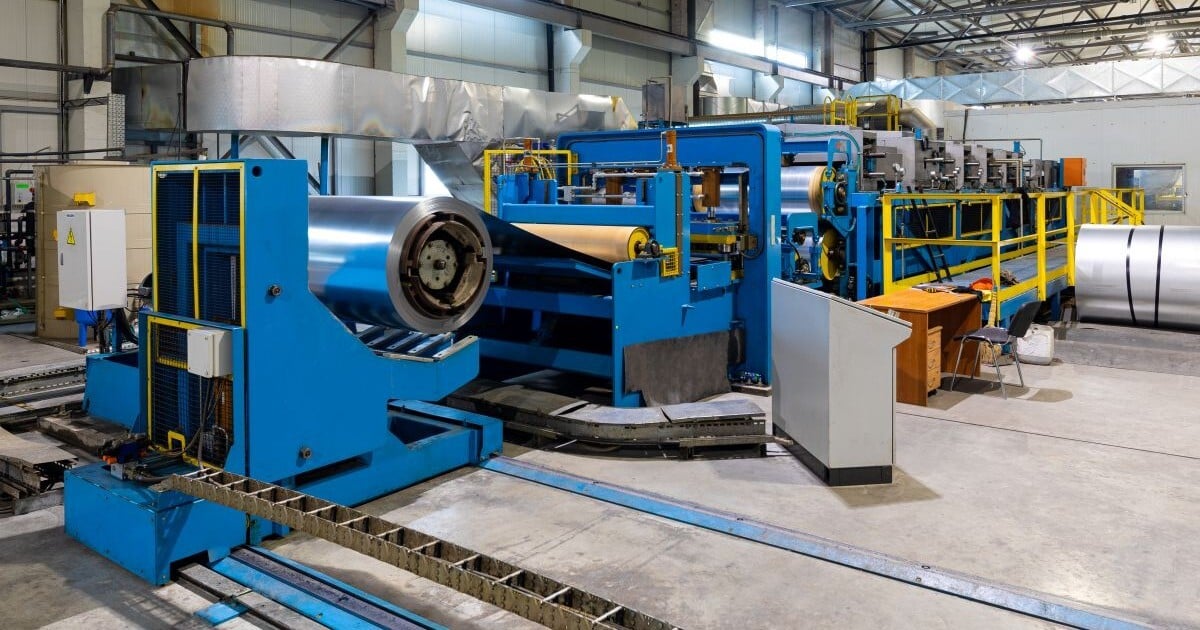
For example, a large financial business housed in a large office building may have little equipment beyond furniture and computers. There may be many of these items, but appraising them is a relatively straightforward task. On the other hand, a small printing business may have several printing presses and other machines located in a relatively small workshop. There may not be many items, but each of them can be challenging to appraise.
In the above examples, the cost of appraising the printing equipment may equal, or even be greater than, the cost of appraising the furniture and computers.
It may also seem obvious that the quantity of items to be appraised would affect the cost, but the variety of the subject assets is also a major appraisal cost factor. For example, 100 semi-trucks of the same make, model, and configuration are easier to appraise than just 20 unique semi-trucks. A large quantity of standard modular pallet racking may be easier to appraise than a small custom-engineered racking system.
One cost factor which is often underappreciated by equipment appraisal clients is the quality of information available. If the appraiser has access to well-organized historical cost records, asset maintenance information, purchase invoices, and other information, the assignment will be much easier (and therefore typically less costly) than if the appraiser has to research or estimate each piece of information independently. Many appraisers will ask for asset schedules, historical cost records, or other available equipment documentation prior to quoting. If they are not available, the appraiser may assume the assignment will require extra work, and may accordingly quote a higher fee.
Do On-Site Equipment Appraisals Cost More?
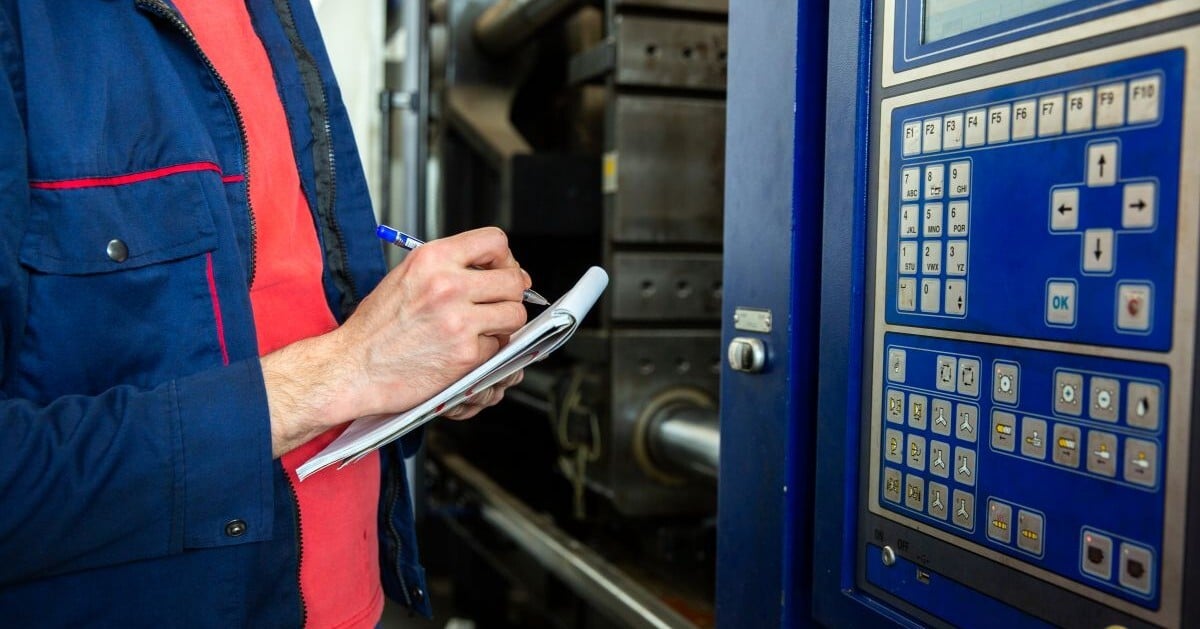
Yes, an on-site appraisal generally costs more than an appraisal without a site visit (also called a desktop appraisal). This is because the appraiser or another independent party has to dedicate time and effort toward traveling, locating, identifying, and inspecting the subject assets.
Desktop appraisals may be appropriate in cases where the client or another party can provide quality information to the appraiser. This may include photographs, asset descriptions, and identification details. Also, desktop appraisals may be appropriate when it is not essential to have an independent party verify the subject assets. In such cases, a desktop appraisal may provide a lower-cost option to the client.
However, there are cases where these conditions cannot be met. Perhaps the client is not able to provide the information required for the appraiser to complete a desktop appraisal. Or perhaps the assignment requires independent verification of the assets. In these cases, a site visit may be the more appropriate option.
Site visits are not always required by particular users, such as government entities, courts, or lending institutions. The appraiser and client must communicate to determine whether a desktop appraisal is feasible and appropriate for the assignment.
Even when a site visit is required, there are some instances where a third party may conduct the equipment inspection in order to save the expense of the appraiser personally visiting. There are firms which specialize in identifying and locating commercial equipment; they are commonly used by lenders and insurance companies to verify assets held as collateral or being insured. These firms offer their inspection services to appraisers as well.
Another third-party inspection option may be a colleague of the appraiser who happens to be physically located closer to the subject assets than the appraiser. It is common for equipment appraisers to subcontract fellow appraisers for site visits local to them when doing so is more convenient or avoids extensive travel expenses.
Why Does the Purpose of the Appraisal Affect the Fee?
An equipment appraiser is not simply responsible for estimating values. They are also responsible for conducting research, building a workfile, and delivering a report. The effort required to complete each of these elements may vary greatly depending on the purpose of the appraisal assignment.
For example, an equipment appraisal used to value collateral for a bank may be focused primarily on proper identification of assets and liquidation value estimates. The intended users are often familiar with equipment appraisal reports, and the assignment may not require the same level of detailed explanation or supporting analysis as an appraisal prepared for litigation or another purpose involving substantial third-party review. For these reasons, a collateral equipment appraisal can often be completed with relative efficiency compared to other use cases.
On the other end of the efficiency spectrum is an equipment appraisal completed for litigation purposes. In these cases, each aspect of the assignment may be subject to intense scrutiny by opposing counsel. The appraiser must be prepared to explain the entire appraisal process in great detail in front of a judge and jury. Each value opinion and supporting data point may be picked apart. For these reasons, a litigation equipment appraisal often requires greater time and effort than other use cases.
Even when the purpose of the appraisal appears the same from the outside, the specific intended uses and users of the appraisal may affect the efficiency of the assignment and therefore the quoted cost.
For example, equipment appraisals completed for financial reporting or purchase price allocation are sometimes reviewed by the client only, with the scope of work designed efficiently around the specific needs of the assignment. Other times, these appraisals are reviewed by the client’s auditor in a process which often feels similar to being cross-examined in court, and which often requires similar levels of diligence and preparation.
Another common example may be an appraisal for estate settlement. If the appraisal is simply being used by the estate representative for administration or tax reporting, it will likely be easier to complete than if the estate is being contentiously divided between multiple heirs who each expect a full explanation of the results.
What Information Can Reduce Equipment Appraisal Costs?
Clients who come prepared and organized may make an assignment easier to scope and less costly to complete. First and foremost, asset schedules should be updated and organized to the extent possible prior to seeking a quote. These may include depreciation schedules, asset maintenance lists, insurance schedules, or any other list of the assets to be appraised. If data security is a concern, the client may ask the appraiser to sign a non-disclosure agreement (NDA) prior to sharing these documents, but they should be shared at the time a fee quote is requested.
If the client has any visual documentation of the subject assets – such as photographs or a plant walkaround video – these can also help the appraiser feel comfortable with the assets and identify where efficiencies may be gained in the conduct of the assignment.
Other information which is helpful may include historical purchase invoices for key items; locations to be inspected if a site visit is required; key machine specifications; and any prior appraisals or value estimates which may allow the appraiser to foresee and manage the client’s expectations.
How Do You Get an Equipment Appraisal Quote?
Anybody needing an equipment appraisal should state the purpose of the appraisal clearly and describe their situation in detail. They will likely be asked to share any asset lists and documentation with the appraiser and answer a brief series of questions about the subject assets, the intended use and users of the appraisal, deadlines or time restrictions, value premises needed, effective date, asset locations, and other relevant information about the assignment.
Equipment appraisal quotes can vary widely based on the circumstances. Therefore, it is essential to provide the appraiser with all requested information to ensure an accurate quote.
Qualified equipment appraisers are likely to ask for similar information before quoting an assignment. Some assignments, particularly highly complex appraisals or those which will face high levels of scrutiny, may require more than one communication prior to quoting. This is important to ensure that the appraiser and client both understand the scope of work. Simple assignments, particularly those for regular clients and common appraisal situations, may often be quoted with relatively brief exchanges between the client and the appraiser.
Common Questions
How much does an equipment appraisal cost?
There is no standard fee for an equipment appraisal. Cost depends on factors such as the type and quantity of equipment, complexity of the assets, quality of available records, inspection requirements, appraisal purpose, and level of research and reporting required.
What factors affect the cost of an equipment appraisal?
The primary factors include the type and variety of equipment, number of assets, available documentation, need for an on-site inspection, appraisal purpose, value premises required, research difficulty, and reporting requirements. A small number of complex machines may cost more to appraise than a much larger number of similar assets.
Does an on-site equipment appraisal cost more?
Generally, yes. An on-site equipment appraisal usually costs more because an appraiser or qualified third party must travel to the facility and locate, identify, and inspect the equipment. A desktop appraisal may cost less when adequate asset information and photographs are available and independent verification is not required.
Can I reduce the cost of an equipment appraisal?
Often, yes. Providing an organized asset list, purchase records, equipment specifications, photographs, maintenance information, locations, and other available documentation can reduce the amount of research and administrative work required of the appraiser.
Why do equipment appraisal fees vary between assignments?
Equipment appraisal fees vary because the scope and difficulty of each assignment are different. A routine collateral appraisal may require less research and documentation than an appraisal prepared for litigation, financial reporting, or another purpose involving substantial review and scrutiny.
What information is needed to get an equipment appraisal quote?
An equipment appraiser will typically need an asset list, the location of the equipment, the purpose and intended users of the appraisal, required value premises, inspection requirements, deadline, and any available supporting records. Complex assignments may require additional discussion before a fee can be quoted.
What is the average cost of an equipment appraisal?
There is no meaningful average cost that applies to every equipment appraisal. Fees vary based on the type and quantity of assets, available records, inspection requirements, appraisal purpose, research difficulty, and reporting requirements.