
Equipment Appraisal Blog | Understanding Machinery Appraisals

Considering Donating Your Used Excess Personal Property and Equipment?

Posted by Equipment Appraisal Services on Mon, Apr 13, 2026 @ 07:29 AM

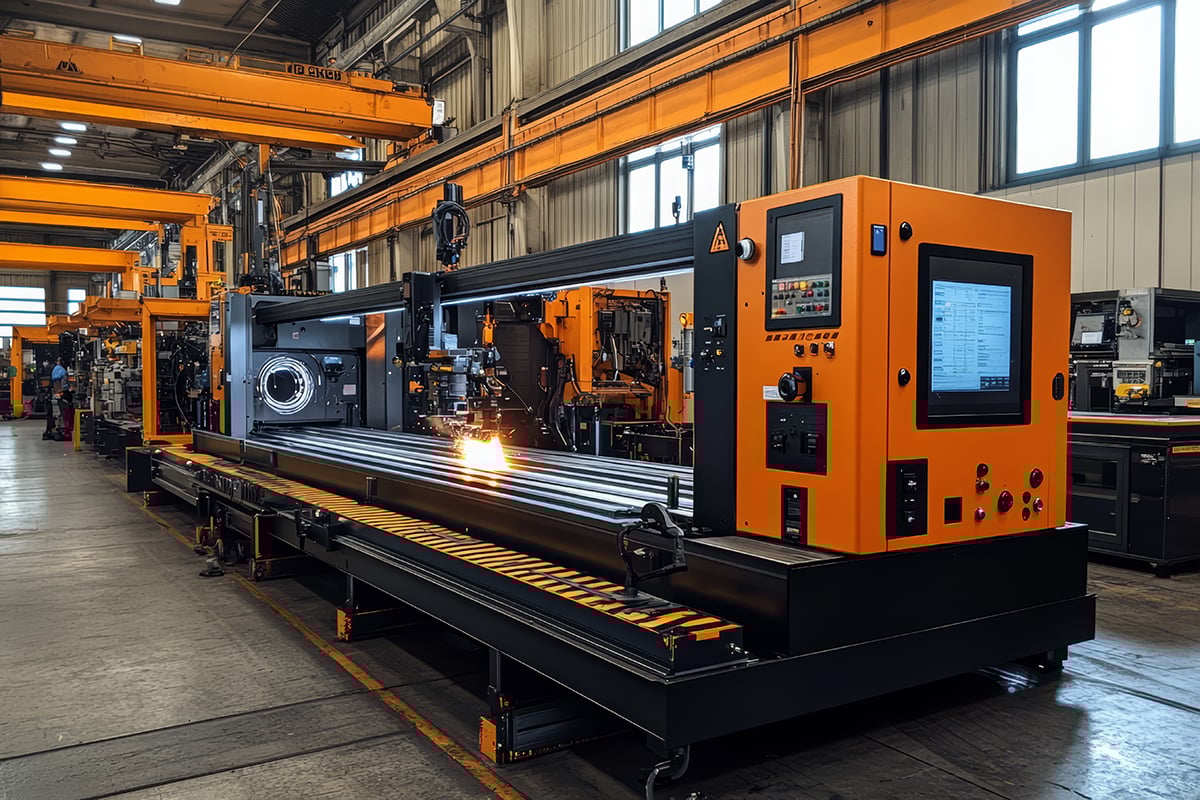
Machinery and equipment to be appraised for donation

There comes a time when business owners and individuals no longer need their used machinery or personal property. They may also have recently acquired older tangible assets as part of a larger purchase or estate settlement, which they have no use for. In either scenario, there becomes an immediate need to determine the best option that benefits the owner.

The first thought is generally how to sell or liquidate the assets; however, this process may be difficult, especially if demand is limited or the owner is unfamiliar with resale markets. As an alternative, donating the property to a local business, university, training school, or non-profit organization might be a better choice. The benefits of a tax deduction and of supporting your community or alma mater might outweigh the uncertainty and time-consuming process of selling.

The next steps involve consulting with your accountant and finding a professional appraiser to discuss the benefits of donating. Depending on the anticipated total value of the assets, donating may be the better option. The IRS allows any non-cash charitable gifts of up to $5,000 before requiring an independent valuation.

The cost of the appraisal can be a hurdle in comparison to the tax benefit if the value is not greater than the maximum $5,000 threshold. If the total value does not support the cost, then it will not work. To quickly estimate this, you can calculate your expected tax deduction by approximating your donation's total value and multiplying it by your income tax bracket percentage.

For example, a $50,000 donation would result in a $10,000 deduction for someone in the 20% tax bracket. If the appraisal costs $5,000, you will end up with a $5,000 overall benefit for the donation. In this case, you are better off taking the simple no-cost deduction of $5,000. If the donation ends up being $75,000, with the same $5,000 appraisal fee, then the benefit will outweigh the cost (20% x $75,000 = $15,000). The lower the overall value of your donation, the more price-sensitive it will be relative to the appraisal cost.

Your accountant and appraiser can look to create an affordable option for you. Grouping similar inexpensive items so they can be valued together as a “lot” might be one way to save on costs. The appraiser’s focus can then be placed on the higher-valued property to detail and itemize the report. Once the valuation is complete, the last step will be filling out Form 8283 as part of your income tax filing. This will need to be signed by you, the appraiser, and the party to which you are donating.

In summary, before taking on the task of reselling your excess equipment and personal property, consider donating them as an alternative.
Tags: donation appraisal, equipment donations

An Alternative to Selling Excess Equipment: Consider Donating

Posted by Equipment Appraisal Services on Mon, Jan 19, 2026 @ 07:30 AM

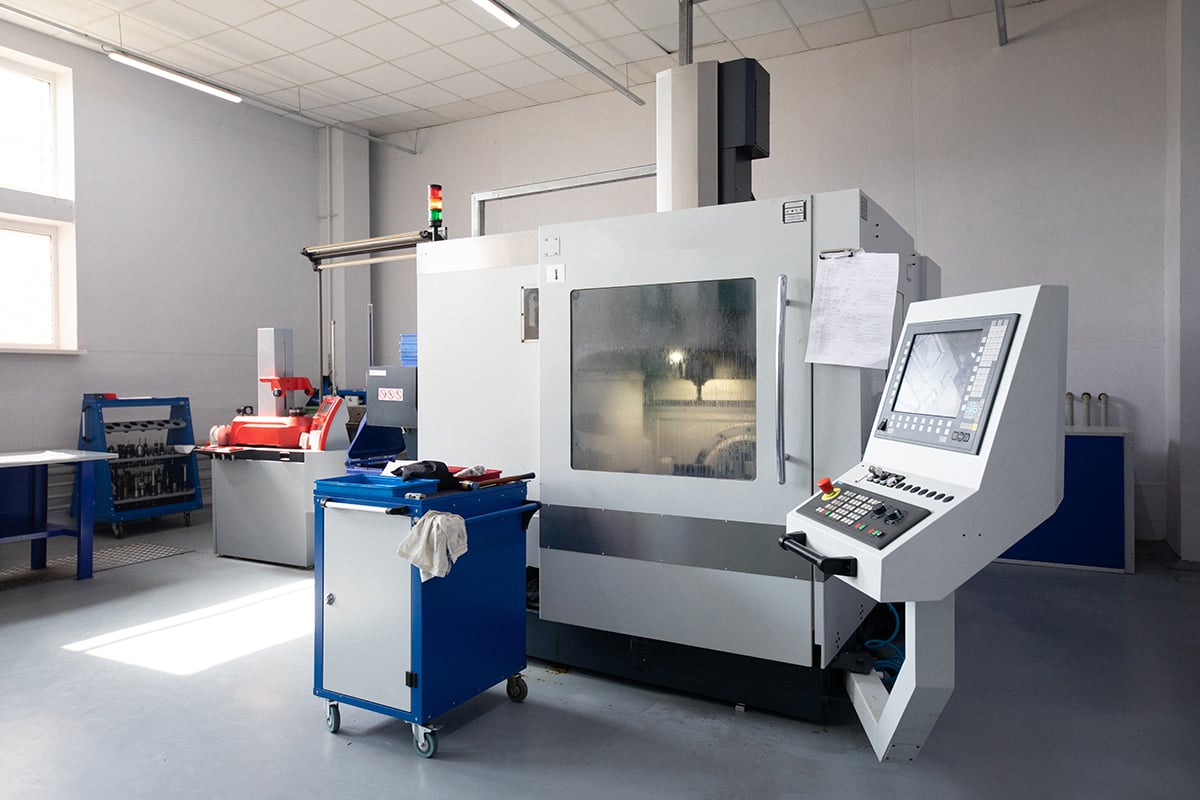
Machinery to value for donation appraisal

If you own a business looking to dispose of excess used equipment, or personally own property you no longer need, your first thought may be to resell it in the open market. This can be a difficult process with no guarantee of the price you will receive. Another effective option to consider is donating the assets to a local non-profit, such as a public school/university, hospital, research institute, charity, museum, or other tax-exempt organization.

Research options locally, or contact your high school and university to see if they would be interested in acquiring the used equipment for their educational programs, or refer you to a facility they know would be interested.

The benefits of this type of disposition are many. You have the obvious tax deduction, which offsets your income. You may also be accruing goodwill by helping the organization you’re donating to, as well as the individuals they support, by providing useful equipment they might not otherwise be able to afford. Scientific, medical, and technical research and educational institutions need resources to maintain and grow their foundations.

Before making the donation, make sure you check that the equipment is in good working order and clean it if necessary. Then create an itemized list of what you will be providing to the non-profit organization. This list will be very useful when filing your taxes and for valuing purposes.

If you are fairly certain the overall value of your donated machinery will exceed $5,000, you will need to obtain an appraisal to support the higher claim. The advantage of a donation appraisal is that the price level will be measured at fair market value, which is higher than any trade-in or liquidation price you would receive from potential buyers if you tried to sell on your own.

Look to engage with an experienced, accredited appraiser who is familiar with the type of assets you are donating. Equipment donation valuations are common, and the appraiser can provide the support needed to ensure you receive a reasonable and supportable value assessment.

Once the appraisal report is delivered, you will need to complete IRS Form 8283 for non-cash donations and have the appraiser review and attest to the reported value. You can submit this as part of your overall tax return.

Donations can also be made for unused inventory, such as spare parts and tools. Companies that produce excess finished goods can also donate these items using the same process. Equipment appraisers with experience in valuing inventory can work with you on these types of donations as well. In summary, before you decide to resell your excess used machinery, consider a donation as a more effective alternative.

Tags: donation appraisal, equipment donations

Equipment Appraisals for Donation Purposes

Posted by Equipment Appraisal Services on Mon, Mar 31, 2025 @ 07:30 AM

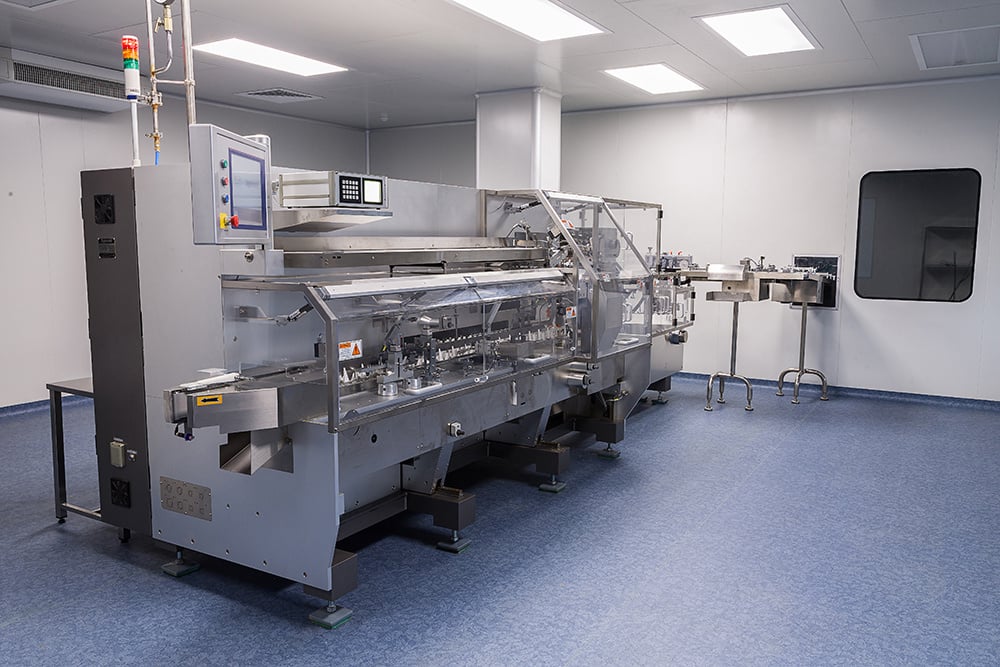
machinery and equipment donation appraisals

Donating equipment to a charitable organization and other non-profits such as universities is a generous act that can provide significant benefits to both the donor and the recipient. However, to maximize the benefits of such a donation, it is important to understand when and why independent equipment appraisals will be required come tax time.

The IRS requires a determination of the market value of the items that are being donated. If the claimed value of the donated equipment exceeds $5,000, a qualified appraisal is required to substantiate the deduction.

First, determine if an appraisal is necessary based on discussions with your accountant and/or your own internal estimate of value. Then, research and select an accredited appraiser who is familiar with these types of valuations. The IRS requires that the appraisal be conducted by a qualified professional with experience in valuing machinery and equipment for donation purposes.

The valuation expert will request a copy of all information available regarding the purchase and usage history of the assets. The more detail available for the appraiser to review from your records, the more supportable and reliable the appraisal will be.

The appraiser will then complete their research and analysis and provide you with a detailed report that meets IRS standards, including detailed descriptions, methodologies, and approaches considered and relied upon. Fair Market Value is the standard definition used and accepted by the IRS. It represents a hypothetical arm’s length transaction with neither the buyer nor seller being under any compulsion to buy or sell and both fully knowledgeable of all relevant facts.

Once you are ready to file your taxes, you must complete IRS forms, including an 8283 (Noncash Charitable Contributions) when filing tax returns. For donations exceeding $5,000, the appraiser must sign Section B of Form 8283 to verify the valuation.

For your records, maintain the documentation as part of your tax file, including copies of the appraisal report, donation receipt from the charity, and any related correspondence. Ensure the charity provides a written acknowledgment of the donation.

In summary, equipment donations can be beneficial to both donors and their recipients. To maximize the tax benefits and ensure compliance with IRS regulations, seek professional appraisal services when necessary. Proper documentation and adherence to IRS guidelines will make the donation process smooth and rewarding. Before donating, consult with a tax professional to ensure compliance with the latest tax laws to optimize the benefits of your contribution.

Tags: donation appraisal, equipment donations

Donating Older Equipment vs. Trying to Sell

Posted by Equipment Appraisal Services on Mon, Jan 08, 2024 @ 07:30 AM

donating used equipment versus selling machine appraisal

We see many instances where business owners and individuals no longer need to operate used machinery or have recently acquired older equipment and personal property as part of a larger purchase or estate settlement. In any of these cases, the assets are no longer useful, and there becomes a need to decide the best option for transferring ownership.

The first thought is usually determining the ability to sell or liquidate the assets; however, this process may be difficult, especially if demand is limited or the owner is unfamiliar with the potential resale markets. As an alternative, donating the property to a local business, university, training school, or non-profit organization might be a better choice. The benefits of a tax deduction and supporting your community or alma mater might outweigh the uncertainty and time-consuming process of trying to sell the items on your own.

Before you decide which options are best, it is a good idea to consult with your accountant as well as an accredited professional appraiser, especially if you know the total value of the donation will be significant. The IRS rule is that an independent appraisal is required as part of any deduction claim in excess of $5,000. You must also include Form 8283 as part of your income tax filing. The form needs to be signed by you, the appraiser, and the party you are donating to.

The cost of the appraisal can sometimes become a challenge in comparison to the tax benefit. For example, suppose you have dozens of small items that are being donated together, and all need to be appraised. In that case, the total value might not support the cost given the valuation process will be time-consuming. You need to broadly calculate your expected tax deduction by approximating the total value of your donation and multiplying it by your estimated adjusted income tax percentage.

As an example, a $50,000 donation would result in a $10,000 deduction for someone in the 20% tax bracket. If the appraisal costs $5,000, you will end up with a $5,000 overall benefit for the donation. A lower overall value for your donation will create a more price-sensitive situation regarding the appraisal cost, and vice versa.

It is important to review and discuss these scenarios with your accountant and the appraiser to try and create an affordable option that makes sense for you. Grouping together some of the less expensive items for the purpose of valuing them might be one viable way to save on the time and cost of completing the appraisal. The focus can then be placed on the higher-valued property for the purpose of detailing and itemizing the report.

Tags: donation appraisal, selling equipment, used equipment, equipment donations, used machinery

Equipment Donations are a Great Way to Reduce Tax Liability

Posted by Equipment Appraisal Services on Mon, Apr 17, 2023 @ 07:30 AM

Equipment Appraisals Donating Machinery

When your business is looking to acquire new equipment, one of the primary reasons that necessitate this is the need to replace older machinery and upgrade your company’s production capabilities. Your first instinct may be to trade in or resell your used assets, however, another effective option is to donate them to a local non-profit, such as a public school/university, hospital, research institute, charity, museum, or other tax-exempt organization.

Consider researching options locally or contact your old schools to see if they would be interested in acquiring the used equipment which they might utilize directly or be able to refer you to a facility they know might have an interest.

The benefits to this type of transaction are not only from an income tax deduction perspective but you can also provide goodwill for your business. You may also be helping another facility and the individuals they support by providing items they might not be able to afford otherwise. Scientific, medical, and technical research and education at the high school and college levels are areas that usually need resources to maintain and grow their foundations.

Before physically donating, make sure you check that the equipment is in good working order while cleaning it up and creating an itemized list of what you will be providing to the non-profit organization. This list will come in handy when filing your taxes as well.

If you know the overall value of your donated machinery will exceed $5,000, you will be required to obtain an appraisal to support the higher claim. The advantage you have here is that the price level will be measured at fair market value, which is very likely higher than any trade-in or resale price you might get from an equipment dealer if you tried to sell on your own.

>Look to engage with an experienced accredited appraiser who is familiar with the type of assets you are donating. Donation valuations are very common for equipment appraisers, and they can provide the support needed to ensure you receive a reasonable assessment of value.

Once the appraisal is completed, you will need to fill out an IRS form 8283 for noncash donations and have the appraiser review and attest to the reported value. You can submit this as part of your overall tax return.

Donations can also be completed for unused inventory such as spare parts and tooling. Companies that produce excess finished goods can also donate these items using the same process. Equipment appraisers with experience in valuing inventory can work with you on these types of donations as well. In summary, before you decide to resell your used machinery when replacing them with newer models, consider a donation as a more effective alternative.

Tags: donation appraisal, equipment donations, Equipment Appraisal for Tax Purposes