
Online equipment listings are an excellent starting point for estimating machinery and equipment market value, but asking prices alone rarely reflect the price a willing buyer will ultimately pay.
When business owners need an equipment appraisal or their professional advisors need to estimate the market value of used commercial equipment, they will typically complete an online search for comparable items listed for sale. This is a natural starting point and matches what you would do if you needed to know the market value of your house or automobile.
However, unlike homes, commercial equipment resale information is not publicly recorded; and unlike cars, individual machines of the same make and model that appear identical may have substantially different internal components.
Further – especially when considering machine tools, processing machines, and installed industrial machinery in general – trade volume of a specific machine is very low. Equipment sellers may not perceive current demand accurately, or may be building in large negotiating margins. Additional services such as warranties, service contracts, or delivery and installation may be built into the pricing as well.
Does this mean online listings are useless for determining the market value of commercial equipment? No. For commercial and industrial machinery and equipment, asking prices shown in online listings are useful market data points, but they are not always representative of what a buyer will actually pay. Asking price may – but does not always – equal market value.
Asking Price is the Seller’s Opinion, Not the Buyer’s
Online listings tell you what sellers are asking. They do not tell you what buyers are paying.
An online machinery listing includes a price that was set by the seller. No buyers or potential buyers were involved in setting the list price. If the seller is motivated to sell quickly, they may reduce their price; if they do not need to sell quickly, they may keep their price high. If the seller believes the condition of their item is above-average, they may list high; if they believe their machine is overdue for maintenance, they may list low. If the seller feels there is high demand for their machine, they may list high; if the seller believes demand for their machine may be limited, they may list low.
The common thread in all of these scenarios is that asking price for used equipment is determined by what the seller believes to be true, or by the seller’s personal desire to sell. In none of these cases have the feelings or beliefs of buyers been taken into account!
A market value is a price that would actually be achieved by a real-world buyer and real-world seller, under certain specified circumstances. For example, “fair market value” means the transaction is between a willing buyer and willing seller at arm’s length. “Orderly liquidation value” means the transaction is between a willing buyer and a compelled seller at arm’s length in a compressed timeframe. Many other value definitions exist, each with their own description of the transaction being considered.
In all cases, a buyer and a seller must both agree to the price under the terms of the sale. Even in a forced sale – for example, a bankruptcy auction – the seller agrees (or is required to agree by a judge or trustee) that the highest price offered will be satisfactory for each item.
Most of us have seen friends or family price their home optimistically and then be disappointed when buyers show limited interest. Usually, the seller reduces the price until a sale is achieved. Equipment market value works similarly: sellers may have personal reasons, such as time constraints, emotional attachment, or debt burdens, that incentivize them to list their used machinery above market. Only when the item has been properly exposed, and buyers have demonstrated their actual willingness to pay, will the seller’s list price come down to market value.
Online Listings Show What Hasn’t Sold
When reviewing open listings for commercial equipment, one typically only sees items that are currently for sale. It is common to find listings labeled “SOLD” without being shown when the item sold, how long it took to sell, or the actual sale price achieved.
Buyers using online marketplaces are naturally going to prefer a lower-priced machine, all other factors being equal. Hence the machines priced most competitively are likely going to be sold earlier than similar items.
This means that in many used machinery listing platforms, the machinery value – which is the price buyers are actually willing to pay – will not be reflected in the asking prices shown, because any machines at that price level will have already been sold and removed from the platform.
Machinery is Typically Customized and Unique
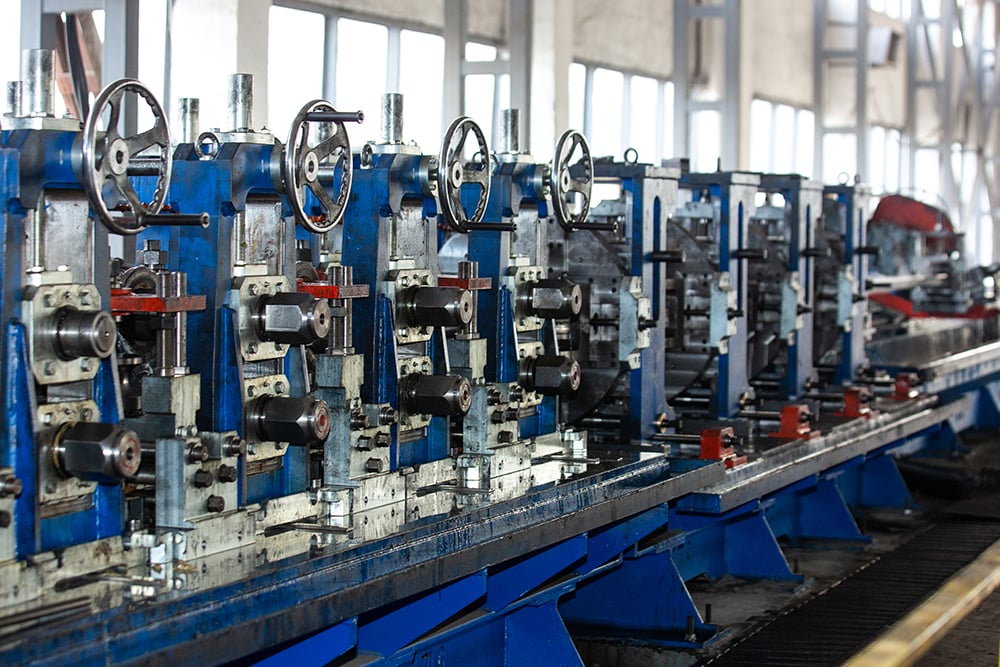
Most types of commercial and industrial M&E are manufactured to order. Some items such as heavy trucks or farm tractors may be mass-produced and sold from lots, like automobiles. But almost every type of machine tool, processing line, packaging machine, or other industrial equipment item is built specifically for the business and facility in which it will be installed. Because of this, finding truly identical comparable sales and offerings for any commercial equipment is very difficult.
An online search for comparable items may result in machines of the same make, model, age, and condition, and that look identical from the outside. However, each machine may have a highly customized package of options, controls, drives, motors, software, tooling, and other internal components. The online listing may only detail the high-level capacities of the item, and may not mention each of the options and configuration specifications.
A searcher who is not experienced and familiar with the used machinery marketplace is unlikely to recognize where the differences between each item lie, and how much market value may be associated with those differences.
Even beyond physical equipment differences, the specifics around each seller and listing can heavily weigh on both the initial asking price and the eventual sale price. For example, the maintenance history, software upgrades, rebuilds and overhauls, manufacturer warranties, and the item’s location can all increase or decrease market value. These items are rarely detailed in an online listing; the seller expects interested buyers to inquire further.
The market value of any individual listing will only be determined after the buyer has satisfied their own inquiries and adjusted their offer for the risks and benefits of the unique machine being traded.
Asking Prices Provide Room for Negotiation or Add-On Services
Have you ever sold a used car by yourself? If so, you will understand that asking price is almost always optimistic! If a seller believes their car is truly worth $7,000, they will typically put a sign in the windshield that says something like “$8,000 Or Best Offer.” The seller knowingly lists their car above-market for two reasons: 1) they hope they’re wrong and the car brings more than expected; and 2) they know that some buyers insist on negotiating every purchase, and they want a high starting point for negotiation.
These same concepts hold true for used commercial equipment and machinery. The seller of a machine may not be fully certain of its market value, and they may price the machine conservatively in the hopes that they will achieve a sale above their expectations. Further, the seller may have experience dealing with professional used equipment buyers who habitually offer below list price, and may build in a negotiating cushion in order to have room to bargain with such buyers.
Unlike a car traded between two individuals, used machinery and equipment transactions can include several additional deal terms which may affect the final market value in ways the seller is not able to predict. This is particularly true when the seller is a professional dealer, as opposed to a fellow business owner.
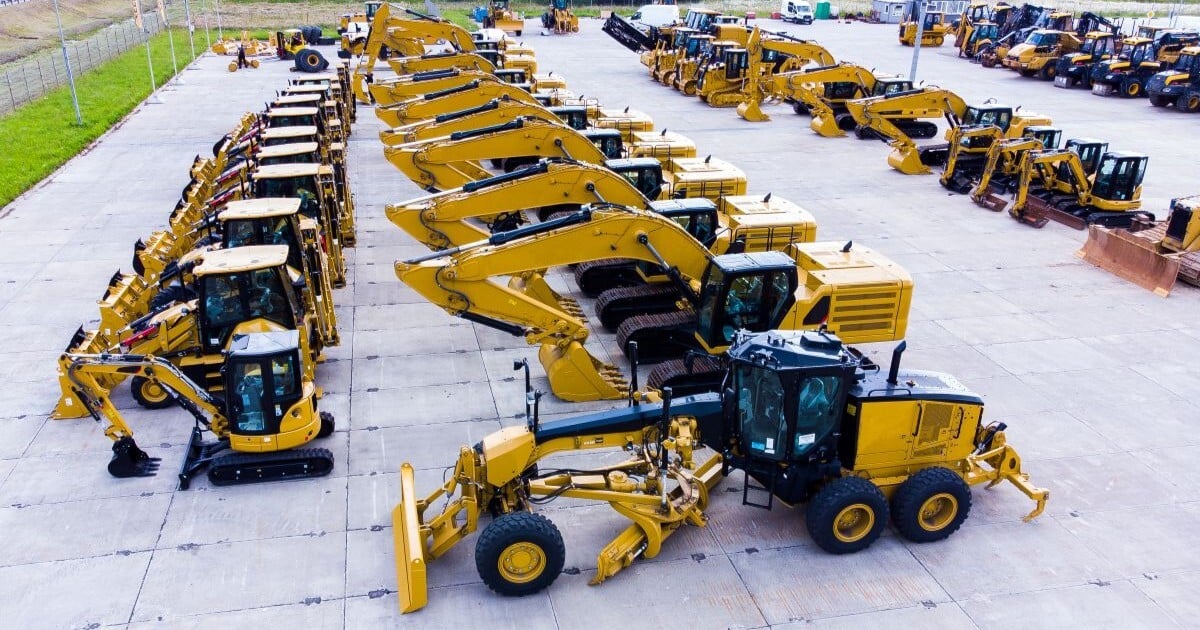
For example, the dealer may accept another machine as a trade-in; they may offer in-house financing options; multiple machines may be bought with a package discount; the dealer may offer freight, rigging, and installation services; service and parts contracts may be sold along with the machine; and so on.
A professional used equipment dealer may want to incentivize buyers to purchase additional goods and services and increase the value of the total sale. The easiest and most effective way to do this is to decrease the price of the original machine so that the buyers perceive themselves to be receiving a bargain. In order to be able to offer discounts without losing money, the dealer will frequently list their machines above their expected selling price in order to provide a higher starting point for discounting.
This may be the most important reason why the asking prices of comparable sales and offerings are not generally equivalent to market value. Market value is the final selling price of the machine, which may or may not have included discounts, additional sales, or terms beyond the knowledge of the internet searcher.
The Appraiser’s Role
A machinery and equipment appraiser will most certainly use asking prices as a starting point for valuation. Certified appraisers are trained to survey the marketplace for comparable sales, listings, and offerings. However, the M&E appraiser does not stop with list price.
A qualified M&E appraisal includes a consideration of the entire seller and listing details. The appraiser will ask themselves questions such as: is the seller distressed? Where is the item located? How long has the item been listed? Has the price been discounted from its original level? Is this an experienced and knowledgeable seller? Is the seller offering auxiliary services beyond the used machine, such as maintenance or training? Does the machine come with a warranty or any assurance of performance?
Certified M&E appraisers consider asking prices, verified sales when available, auction results, dealer offerings, replacement cost, depreciation, condition, and the intended market before developing an opinion of value.
A professional appraiser is also knowledgeable about the used machinery marketplace and can discern between broker listings, auction results, excess dealer inventory sales, and private-party sales. Each of these scenarios will lead the appraiser to different assumptions regarding the asking and selling prices, as well as the terms of sale, for the machine in question.
In some cases, the appraiser will heavily discount list prices, and in other cases, their opinion of market value may be near or equal to list price. But in no case does the appraiser take list price to be equivalent to market value without further investigation and comparison into these and other issues.
Understanding Asking Prices Leads to Better Decisions
For business owners and their professional advisors, an online search for comparable equipment is the simplest and fastest way to estimate market value. However, asking prices are generally only a starting point for negotiating an eventual transaction. The asking prices listed online are the opinions of each specific seller and reflect their own unique machine, situation, and motivations.
Financial decisions should not be based on asking prices only. A lender should not make a collateral-based loan; an accountant should not record a purchase price allocation; and an attorney should not file a lawsuit based solely on list prices. The decision-making process should include a researched and developed opinion of market value, completed by a qualified M&E appraiser who can explain their results to the client and other users of the results.
Comparable sales are one of the primary forms of market evidence considered in an equipment appraisal. Therefore, asking prices are an important piece of data for developing a market valuation, but in the end they are simply one piece of the appraisal puzzle.
Common Questions
Can you determine equipment value from online listings alone?
No. Online listings are an excellent starting point for estimating equipment market value, but they rarely tell the complete story. Asking prices reflect a seller's opinion and may include negotiating margins, additional services, or unique equipment configurations that are not apparent from the listing itself.
Why are asking prices different from market value?
Asking prices are established by sellers before buyers have agreed to a transaction. Market value, by contrast, is the price a buyer and seller actually agree upon. The difference often reflects negotiation, equipment condition, seller motivation, financing, warranties, freight, installation, or other terms of sale.
Do equipment appraisers use online listings?
Yes. Qualified machinery and equipment appraisers routinely use online listings as one source of market evidence. However, they also consider verified sales, auction results, dealer offerings, replacement cost, depreciation, condition, and the specific characteristics of the equipment before developing an opinion of market value.