
Equipment Appraisal Blog | Understanding Machinery Appraisals

Where Were You Before You Became an ASA MTS Appraiser?

Posted by Equipment Appraisal Services on Mon, May 25, 2026 @ 07:30 AM

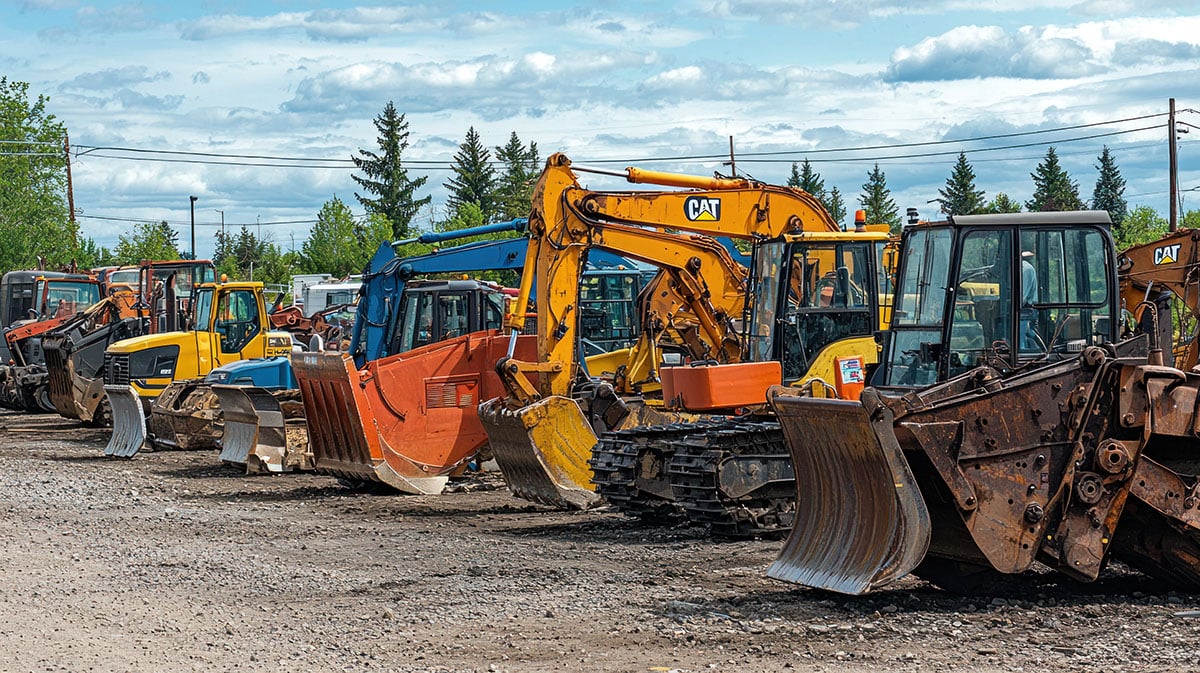
Used machinery and equipment for appraisal

Developing a foundation to be an accredited M&E appraiser can come from many different career paths. Although some candidates start right out of college, having worked in another capacity in the machinery industry can have additional benefits.

Gaining experience as an asset manager in the equipment finance and leasing industry is a common profession that leads to independent valuation work. The credit risks associated with lending and investing need to be leveraged with the ability to better understand the value of the assets being collateralized. Properly estimating value throughout the deal term will lead to better upfront decision-making and future outcomes should the equipment be repossessed or returned in a default or end-of-lease scenario.

Later in their careers, asset managers may decide to work for independent valuation companies or accounting firms with appraisal divisions.

Another parallel career is used equipment sales and remarketing, either as an auctioneer or a machinery dealer specializing in certain industries such as heavy equipment, transportation, and manufacturing. Learning about the secondary market firsthand, where you see real-time used-equipment sales every day, is a great way to develop the skills necessary to become an independent M&E appraiser.

Equipment dealers sell in both retail and wholesale environments, which translates to fair market and orderly liquidation value comparisons. Auctioneers are typically buying and selling in a more distressed setting that lends itself to a forced liquidation value. Companies in these industries often develop databases of historical resale prices that can be used to accurately estimate the value of used equipment.

This is another area where certain individuals working for these companies might decide to focus on valuation more exclusively and strive to become an accredited ASA MTS appraiser.

Anyone working in businesses that have a heavy focus on machinery and equipment, either from a resale or operational perspective, will be able to use their skills to gain a leg up on becoming an independent appraiser. Professional appraisal work is a specialized skill that offers the opportunity to help clients in different scenarios that require an unbiased opinion of value, whether to close transactions or settle disputes.

Having the right background that establishes your credentials goes a long way to becoming a successful ASA MTS appraiser.

Tags: equipment appraisers, ASA accredited appraiser, machinery appraiser

Fair Market Value (FMV) vs. Actual Cash Value (ACV)

Posted by Equipment Appraisal Services on Tue, Sep 06, 2022 @ 07:30 AM


Fair Market Value Actual Cash Value Machinery Equipment Appraisals Insurance

When it comes to estimating the value of personal property and equipment, there are a number of premises, terms, and definitions thrown around in the professional appraisal realm, as well as areas such as insurance loss claims

Fair Market Value is the most frequently referenced when it comes to appraisers, however, insurance adjustors are tied to a less common term called Actual Cash Value.

Although you might think these two should be similar in their approach, they can be quite different, depending on the type of property being valued and the interpretation of their meaning.

As a direct comparison, here are the most often seen definitions:

Fair Market Value is an opinion expressed in terms of money, at which the property would change hands between a willing buyer and a willing seller, neither being under any compulsion to buy or to sell and both having reasonable knowledge of relevant facts, as of a specific date.

Actual Cash Value is the amount equal to the replacement cost (new) minus depreciation of a property at the time of loss. The actual value for which the property could be sold is always less than what it would cost to replace it.

Given there is generally room for interpretation with both of these definitions, there are times when appraisers and insurance adjustors can arrive at a very similar value and other times when there is a significant discrepancy between the two.

What approaches are utilized, and which data sources are relied upon will determine whether these values are comparable or far apart. How independent agencies measure useful life along with annual levels of depreciation, and whether they rely on direct market information or broader industry data can create any number of diverging estimates of value.

Before you select an appraiser or engage with an insurance company to protect your personal property and equipment, it is important to understand the company’s background and history with how they treat these approaches to value. Accredited appraisers have guidelines and quality controls in place by which they abide, while insurance companies will have their own internal methodologies based on past experience and actuarial data.

Regardless of these requirements, there will always be a subjective component to the concept of valuation with every business in both the appraisal and insurance industries. Seek to learn as much as you can about this topic so you can feel comfortable that the service being provided is the one that’s right for you.

Tags: actual cash value, fair market value, ASA accredited appraiser, Machinery & Equipment Appraisals, insurance

Appraising Machinery & Equipment in Emerging and Expanding Markets

Posted by Equipment Appraisal Services on Mon, Mar 07, 2022 @ 07:00 AM

Machinery and Equipment Appraisals Expanding Changing Markets

When appraisers are tasked with valuing equipment in industries which are continuously evolving due to events such as technology improvement, law and regulation revisions, or new government initiatives, how do they adapt to the likelihood there will be limited market data and comparable resale information available to consider.

Some of these ever-growing markets include biotech, cannabis, solar energy, and electric-powered vehicles. There are businesses popping up all the time in support of these industries that need capital to withstand the early stages of growth and become successful. The assets of these companies will be limited to the property and equipment being acquired to operate, with many types of machinery having little to no resale history to research and estimate value for.

The fact is that appraisers come across these types of challenges quite often, even with long-established businesses that operate customized equipment with similar limitations in the secondary marketplace. So how do they adjust their approach knowing that comparable sales data will be virtually non-existent for these types of machinery?

Fortunately, an experienced, accredited appraiser understands there are two primary methodologies that are established and supportable, especially when used in tandem, to complete a reliable and defendable equipment valuation. Once it is determined that comparable equipment resale data will not be a factor to consider, the appraiser will look to contact the manufacturers and vendors involved with the specific build, as well as similar types of equipment in the market.

The focus of the discussions should revolve around opinions of replacement cost new, useful life, and reasonable levels of market depreciation expected over this period. They can also gather general research on the equipment and overall marketplace available from relevant third-party websites with experience in the industry, to better understand the ability to resell the equipment in the future.

Another important component will be obtaining and reviewing the actual investment for the equipment, including the purchase price and costs associated with the installation. This can be found in documents such as purchase orders, quotes, invoices, and capital asset accounting records.

Once the research is completed in these areas, the appraiser can reasonably estimate value for these more unique and specialized assets, that have little to no resale history associated with them. The ability to still consider market sources under this type of approach will balance the investment cost information provided by the business, resulting in a reliable appraisal.

These emerging and expanding markets will eventually have a history that an appraiser can rely on going forward, however, the ability to adapt and utilize the resources available in these early stages, is critical to meet the current challenges appraisers face today.

Tags: valuation, machinery & equipment appraisal, ASA accredited appraiser, emerging markets, expanding markets

Working With Your Business During a Site Visit Asset Inspection

Posted by Equipment Appraisal Services on Mon, Dec 27, 2021 @ 07:00 AM

Machinery and Equipment Appraisal On-Site Prepared Appraiser

When it has been determined by you and your equipment appraiser that a personal site visit will be part of the overall valuation effort, there will be a few things to plan for ahead of time as well as during the inspection to ensure an efficient and effective process. Here are the two most critical items to prepare before the appraiser arrives.

Preliminary Asset Records

For an appraiser to quote a valuation project, they will require an understanding of the asset content of your business. If there are only a handful of assets involved, creating an updated detailed listing of the equipment is feasible. If, however, a complete facility appraisal is in order, involving dozens of items, this option will be very time-consuming.

The most common source of documentation immediately available to you will likely come from your accounting department in the form of a capitalized asset depreciation record. This is a good place to start, however, many companies don’t detail all their equipment on this listing and tend to abbreviate descriptions. The three most important components the listing provides to the appraiser is the asset type, year acquired, and acquisition cost. Once on-site the appraiser can work with you during the inspection to fill in the remaining details and add unlisted equipment as necessary.

Scheduling the Site Visit Inspections

Depending on the reason the appraisal is needed, and the type of equipment being valued, the coordination of the inspection process can be a bit tricky.

If the company is being sold or acquired, employees may not be aware of the situation and may become concerned over why an appraiser is spending the day walking around the facility and taking a lot of photographs. There are a couple of options to consider in an effort to alleviate these concerns. The first is to provide an explanation to your employees that supports the reason an appraiser is on site. The most common ones I see used by business owners are that their insurance company or financial institution they utilize requires this as part of a general compliance audit.

The second option is to complete the inspections after hours or on a weekend when the facility is closed. This option also works well when transportation equipment is involved, such as delivery trucks and trailers. These assets are usually on the road during normal hours and will be stored on-site at night and on the weekends, creating a convenient time to complete the work in a timely fashion.

In summary, ensure you engage with an accredited, experienced appraiser, who is familiar with the steps involved and can assist and suggest the best way to move forward seamlessly. A seasoned machinery & equipment appraiser has been through this process many times and will become an asset to you and your business as you work through the sensitivities involved with an on-site appraisal.

Tags: ASA accredited appraiser, Machinery & Equipment Appraisals, on-site appraisal, prepared

What to Expect When Faced With Liquidating the Assets of a Business

Posted by Equipment Appraisal Services on Mon, Dec 13, 2021 @ 07:00 AM

Machinery Equipment Appraisal Appraiser Liquidation Orderly Sale Auction

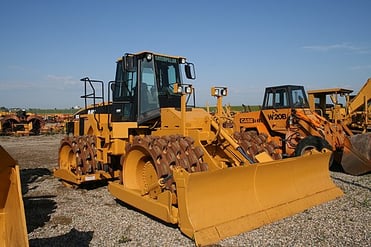
Image source: Compactor. (2023, April 10). In Wikipedia. https://en.wikipedia.org/wiki/Compactor

Whether you own a company or are invested in the business as a principal, financial institution, or related third party, there may come a time when you need to liquidate some or all of the assets associated with the operation. Liquidation is a somewhat more ominous word for resale, typically where there is an urgency to sell the assets or that those individuals involved are not in the business of selling equipment.

As an appraiser, we are asked about this issue quite often, regarding the best approach and realistically what to expect when entering these unfamiliar waters. No single answer covers every situation, however, there are guidelines that can assist the reseller/liquidator who lacks any prior experience in this area.

If your business is reducing operations, or shutting down altogether, and the company owns considerable equipment and personal property, it is important to plan for a liquidation far in advance, where personnel remains available to aid in maintaining the condition of the equipment and can assist in showing the machinery to purchasers.

This will provide opportunities to arrange for the sale of your assets ahead of the actual closure, and allow buyers to preview them while still in operation. In an ideal world, you could effectively sell the assets as part of an ongoing business enterprise, however, if the company can’t sustain profitability, a more realistic scenario would be to locate competitors and other end users who will pay fair market value, based on the machinery remaining in good operable condition until sold.

If neither of these options is feasible, then a comprehensive liquidation effort should take place to realize an orderly (private sale) or forced (auction) liquidation value in a timely fashion.

Communication and timeliness are crucial in a liquidation effort, as the longer it takes to formulate a game plan and ultimately sell the assets, the less value will be realized. If equipment has been neglected for months and begins to fall into poor condition, buyers will no longer be comfortable offering a fair price. It is critical that the assets continue to be maintained, even after they cease operating. Hiring a mechanic to start and run the equipment on a weekly or bi-monthly basis is important to maintaining the condition.

Hiring a private reseller or an auction company who can coordinate the sale of the assets is a good option to complete the liquidation. An experienced third party will oversee the resale effort, while managing the logistics of the sale, including the security of the location, completing minor repairs, and creating a marketing campaign. This will increase the odds of a successful disposition where you pay a commission based on the sale price.

Regardless of the scenario you face, it is important to plan ahead and spend the time and resources needed to maintain the condition of the equipment, leading to a successful outcome in an otherwise difficult situation.

Tags: forced liquidation value, orderly liquidation value, ASA accredited appraiser, Machinery & Equipment Appraisals