

Equipment Appraisal Blog | Understanding Machinery Appraisals

Who Needs Accredited Independent Equipment Appraisals?

Posted by Equipment Appraisal Services on Mon, Jun 08, 2026 @ 07:30 AM

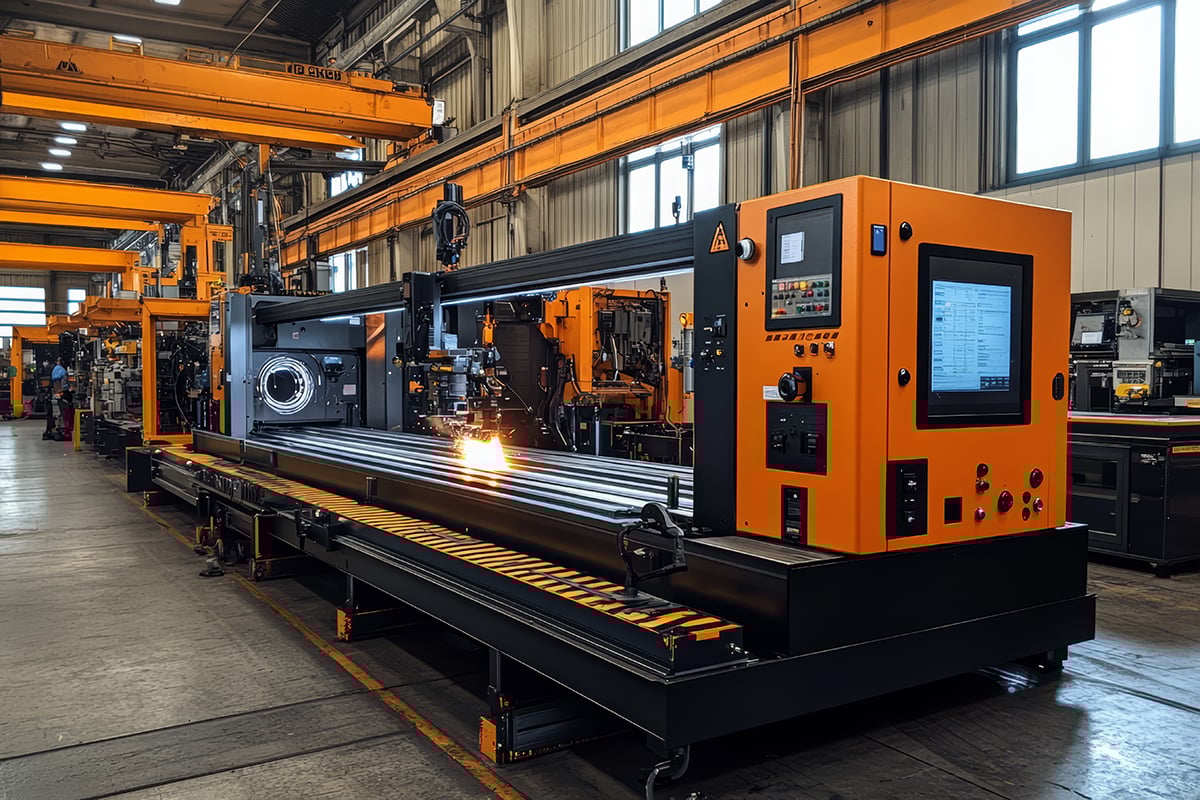
Machinery and equipment appraiser working with a business owner

Regardless of the state of the overall economy or particular industry, there is always a demand for machinery and equipment valuation work. It is essentially a recession-proof business. There are potential customers across various market sectors seeking experienced appraisers to assist with their transactional or dispute-resolution matters.

Here are a few examples of the more common client types:

Business Owners

Companies that use a lot of equipment in their day-to-day operations will look to buy used equipment to replace older assets that need to be sold in the secondary market. Appraisers can assist in both ends of these situations. Owners will also need valuation work when acquiring other businesses for tax and accounting purposes.

Financial Institutions (Collateral-Based Lending and Leasing)

Whether it’s a traditional bank looking to support a loan or a leasing company wanting to set realistic residual values and resell returned equipment, accredited machinery appraisers are involved in valuing on both the front and back ends of these deals.

Private Equity Groups

In the merger and acquisition (M&A) market, private equity will target investments in certain equipment-based companies. They make a long-term growth acquisition or a shorter-term buy-sell opportunity. Machinery appraisals are needed from a risk, accounting, and tax perspective.

Attorneys-Partner Dispute Work-Divorce-Insurance

For experienced appraisers with the right credentials, there are plenty of opportunities to team up with law firms on business disputes, divorce cases, insurance claims, or tax and accounting issues, and to get involved in litigation support work as an expert witness. This creates the ability to build up a resume of testimony experience as well.

Individual and Corporate Donors

Donation appraisals are quite common as businesses and individuals will give their used assets to technical schools, universities, museums, and other non-profits, requiring a qualified appraisal for items valued over $5,000.

In summary, this broad range of clientele affords machinery and equipment appraisers several avenues for effectively growing their businesses.
Where Were You Before You Became an ASA MTS Appraiser?

Posted by Equipment Appraisal Services on Mon, May 25, 2026 @ 07:30 AM

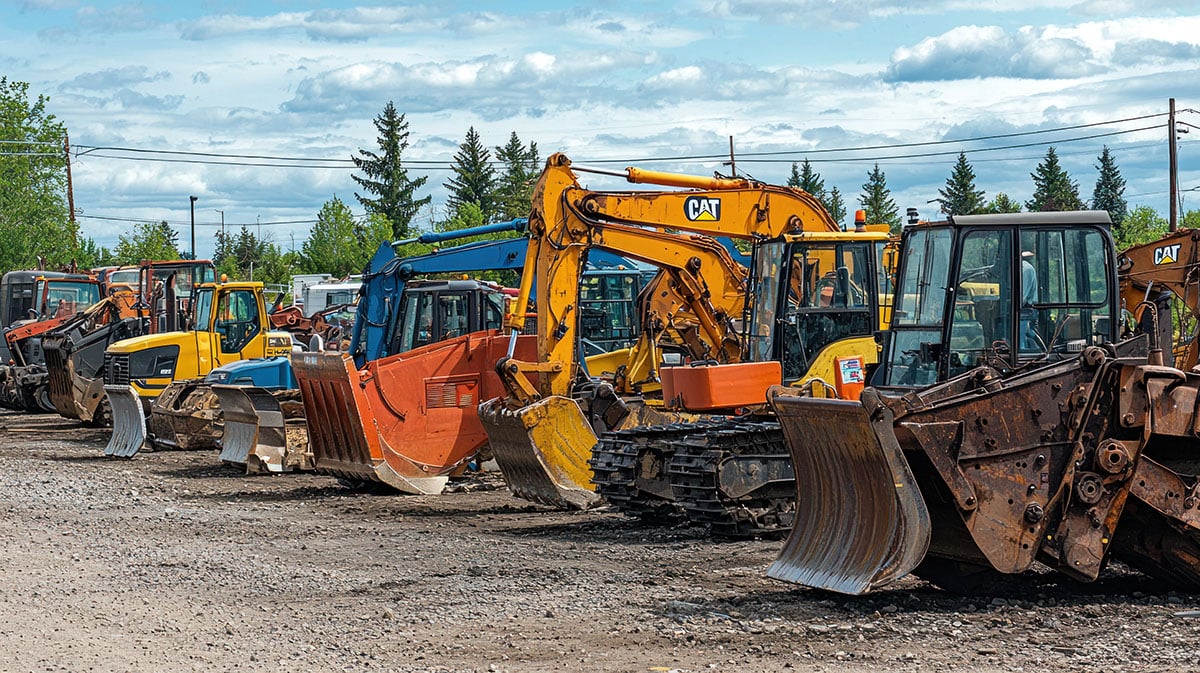
Used machinery and equipment for appraisal

Developing a foundation to be an accredited M&E appraiser can come from many different career paths. Although some candidates start right out of college, having worked in another capacity in the machinery industry can have additional benefits.

Gaining experience as an asset manager in the equipment finance and leasing industry is a common profession that leads to independent valuation work. The credit risks associated with lending and investing need to be leveraged with the ability to better understand the value of the assets being collateralized. Properly estimating value throughout the deal term will lead to better upfront decision-making and future outcomes should the equipment be repossessed or returned in a default or end-of-lease scenario.

Later in their careers, asset managers may decide to work for independent valuation companies or accounting firms with appraisal divisions.

Another parallel career is used equipment sales and remarketing, either as an auctioneer or a machinery dealer specializing in certain industries such as heavy equipment, transportation, and manufacturing. Learning about the secondary market firsthand, where you see real-time used-equipment sales every day, is a great way to develop the skills necessary to become an independent M&E appraiser.

Equipment dealers sell in both retail and wholesale environments, which translates to fair market and orderly liquidation value comparisons. Auctioneers are typically buying and selling in a more distressed setting that lends itself to a forced liquidation value. Companies in these industries often develop databases of historical resale prices that can be used to accurately estimate the value of used equipment.

This is another area where certain individuals working for these companies might decide to focus on valuation more exclusively and strive to become an accredited ASA MTS appraiser.

Anyone working in businesses that have a heavy focus on machinery and equipment, either from a resale or operational perspective, will be able to use their skills to gain a leg up on becoming an independent appraiser. Professional appraisal work is a specialized skill that offers the opportunity to help clients in different scenarios that require an unbiased opinion of value, whether to close transactions or settle disputes.

Having the right background that establishes your credentials goes a long way to becoming a successful ASA MTS appraiser.

Tags: equipment appraisers, ASA accredited appraiser, machinery appraiser

Business Owners: Maximize the Resources Your Assets Provide

Posted by Equipment Appraisal Services on Mon, May 11, 2026 @ 07:30 AM

Machinery and equipment are assets for working capital

If you own a business that has a lot of productive machinery & equipment, consider maximizing its working potential by tapping into its other benefits. Asset ownership offers many benefits, including the ability to convert hard-earned equity into cash. Access to working capital will allow you to invest in other areas of your business, such as expanding operations and upgrading or adding more machinery to meet growth needs.

We all know equipment depreciates over time, unlike land and buildings; however, it will continue to hold significant value over the years if it is well-maintained. If you initially paid cash, or loans have been paid off, even though you have fully depreciated the assets on your books, actual market value can be determined and used as the basis for new working capital that results in a significant cash infusion for your business.

When you begin working with a bank or other financial institution, take the time to develop a detailed listing of all your M&E, while providing access to your original purchase documentation. The most important data to include would be the general description, year, make, model, and serial number/VIN for each item. Specifications such as production capacity, size, length, and tonnage will also be useful.

Keep in mind the bank is investing in you and your company, while taking a lien against the equipment as collateral; therefore, it will be important for them to get comfortable with the transaction and associated risk. Most lenders will approve a certain percentage of Fair Market Value or look at a more conservative liquidation value as the funding level for the loan.

A critical next step will be to engage with an experienced, accredited M&E appraiser who can independently support the value of your assets. They will research the industry and develop opinions of value at various resale levels in the market, while utilizing sources who are involved with the sale of new and used machinery. The lender may allow you to arrange for the appraisal directly or prefer to oversee it themselves. In either situation, you will need to participate throughout the process to ensure the appraiser has the optimal amount of information to best understand the history and status of your assets.

An independent appraisal report will support a reasonable value for all your M&E, so you can get approved for that working capital loan your company needs to continue to grow and be successful today and for years to come.

Tags: equipment valuation, working capital

Net Value in Machinery Appraisals Explained

Posted by Equipment Appraisal Services on Mon, Apr 27, 2026 @ 07:30 AM

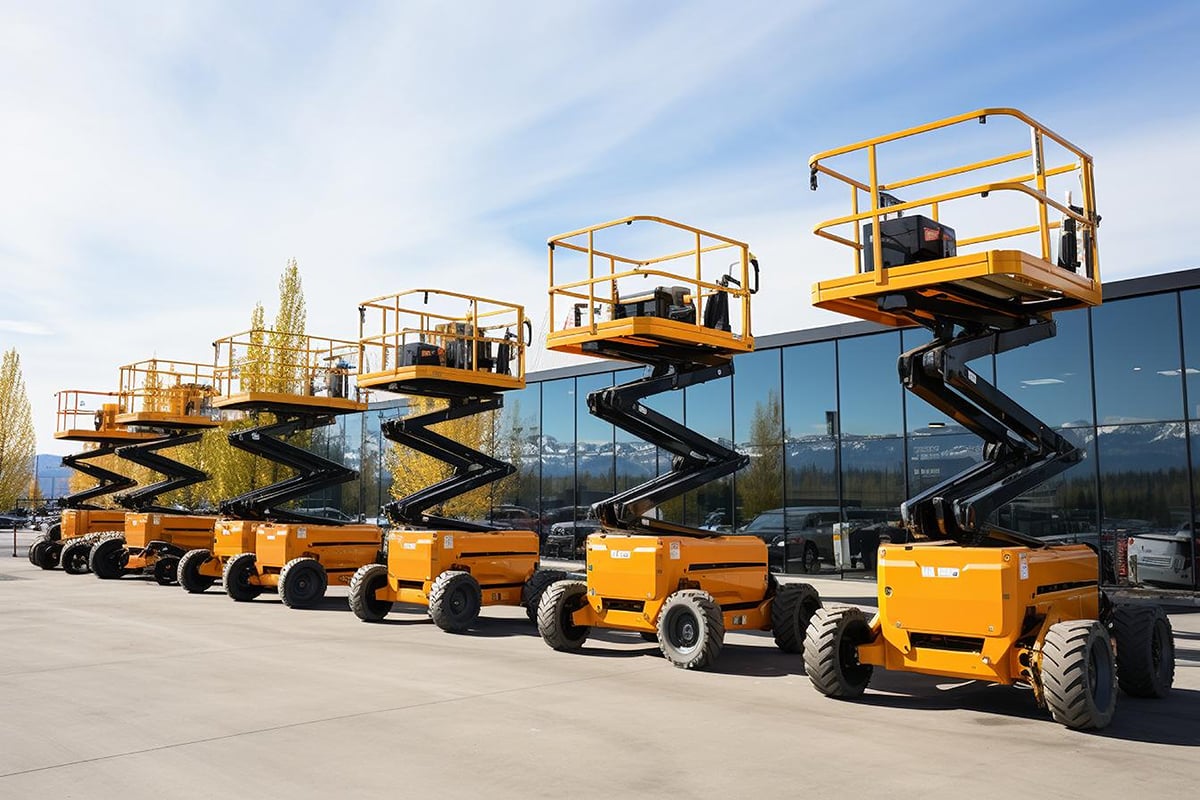
Machinery and equipment requiring net value in an appraisal

Accredited appraisers are sometimes asked to estimate value on a “net” basis. These requests commonly come from banks and other financial institutions that are not in the business of buying and selling equipment, such as dealers, brokers, and auctioneers. Their goal is to make a sound credit decision, based in part on a collateral review for a loan or lease, while accounting for a more conservative worst-case scenario in which they would need to recover the equipment and sell it at a future point in time. This would occur in cases such as a customer default leading to repossession or an end-of-lease return.

Fair Market, Orderly, and Force Liquidation Values are normally estimated on a “gross” amount, meaning that they exclude any associated costs of sale that may occur during the period leading up to and associated with the transaction. This is where the “net” component comes into play.

The “Net” Value will consider common expenses associated with a sale. These could include recovery costs such as dismantling, rigging & shipping, facility storage costs, marketing/advertising, and commissions. Depending on the specific scenario, these expenses may vary, and some may or may not be applicable.

Some of the factors that will affect sales costs are many, including the size and type of asset and its mobility; the extent of the buyer network; relationships with dealers who have storage and resale capabilities; and whether you can afford to liquidate it quickly at auction. Returning leased equipment will often require that customers give back the assets at their expense during the end-of-lease stage, whereas in a bankruptcy, the bank may need to arrange and pay for this itself.

To that end, the appraiser will make reasonable assumptions as to what the average costs may be, in a hypothetical situation, based on their experience. They may, for example, determine that the focus should be on storage and selling costs, which are more consistent and likely to occur in any situation. In any case, estimating sales costs first requires determining the gross value and then applying a reasonable percentage or dollar reduction to that figure to arrive at a final conclusion. Certain third-party market sources can assist the appraiser with this calculation.

Tags: equipment values, appraisal methodologies

Considering Donating Your Used Excess Personal Property and Equipment?

Posted by Equipment Appraisal Services on Mon, Apr 13, 2026 @ 07:29 AM

Machinery and equipment to be appraised for donation

There comes a time when business owners and individuals no longer need their used machinery or personal property. They may also have recently acquired older tangible assets as part of a larger purchase or estate settlement, which they have no use for. In either scenario, there becomes an immediate need to determine the best option that benefits the owner.

The first thought is generally how to sell or liquidate the assets; however, this process may be difficult, especially if demand is limited or the owner is unfamiliar with resale markets. As an alternative, donating the property to a local business, university, training school, or non-profit organization might be a better choice. The benefits of a tax deduction and of supporting your community or alma mater might outweigh the uncertainty and time-consuming process of selling.

The next steps involve consulting with your accountant and finding a professional appraiser to discuss the benefits of donating. Depending on the anticipated total value of the assets, donating may be the better option. The IRS allows any non-cash charitable gifts of up to $5,000 before requiring an independent valuation.

The cost of the appraisal can be a hurdle in comparison to the tax benefit if the value is not greater than the maximum $5,000 threshold. If the total value does not support the cost, then it will not work. To quickly estimate this, you can calculate your expected tax deduction by approximating your donation's total value and multiplying it by your income tax bracket percentage.

For example, a $50,000 donation would result in a $10,000 deduction for someone in the 20% tax bracket. If the appraisal costs $5,000, you will end up with a $5,000 overall benefit for the donation. In this case, you are better off taking the simple no-cost deduction of $5,000. If the donation ends up being $75,000, with the same $5,000 appraisal fee, then the benefit will outweigh the cost (20% x $75,000 = $15,000). The lower the overall value of your donation, the more price-sensitive it will be relative to the appraisal cost.

Your accountant and appraiser can look to create an affordable option for you. Grouping similar inexpensive items so they can be valued together as a “lot” might be one way to save on costs. The appraiser’s focus can then be placed on the higher-valued property to detail and itemize the report. Once the valuation is complete, the last step will be filling out Form 8283 as part of your income tax filing. This will need to be signed by you, the appraiser, and the party to which you are donating.

In summary, before taking on the task of reselling your excess equipment and personal property, consider donating them as an alternative.

Tags: donation appraisal, equipment donations